

Hey there! I'm a supplier of CNC steel parts, and today I wanna chat about the differences between CNC steel parts with different heat treatment processes. Heat treatment is a super important step in the manufacturing of CNC steel parts, and it can really change the properties of the steel.
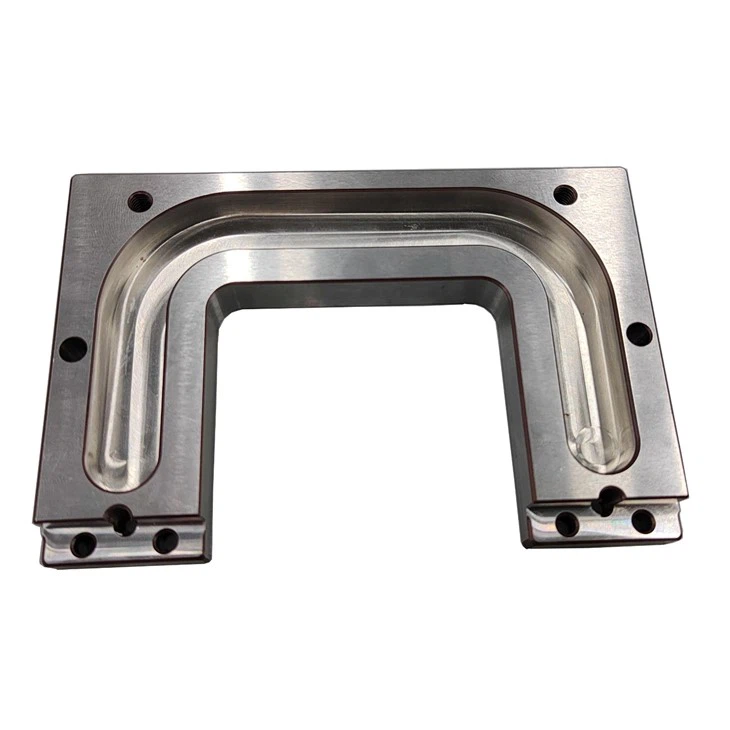
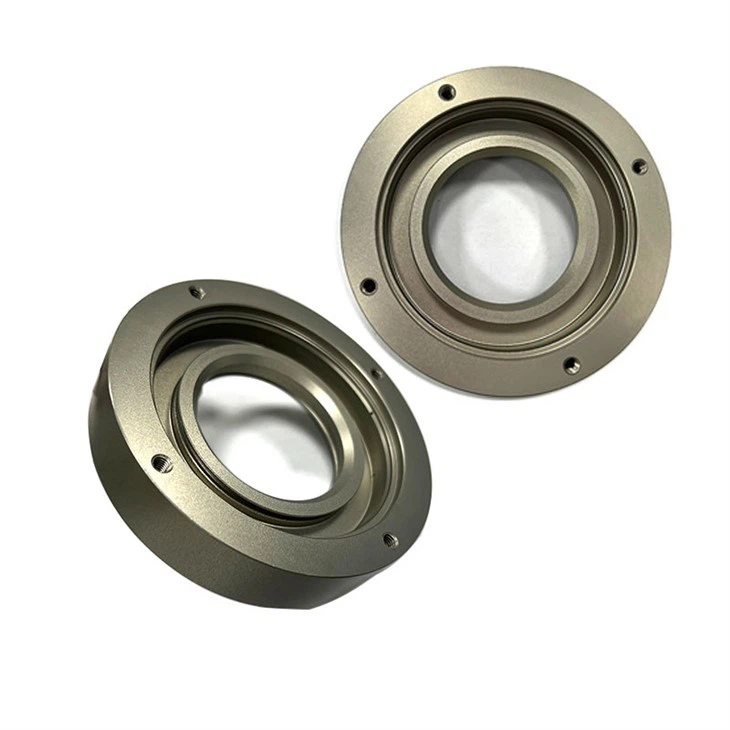
Let's start with annealing. Annealing is basically a process where the steel is heated up to a specific temperature and then cooled down slowly. This helps to relieve internal stresses in the steel, making it softer and more ductile. When we anneal CNC steel parts, they become easier to machine. You know, when the steel is softer, our CNC machines can cut through it more smoothly, which means fewer tool wear and a better surface finish on the parts. For example, if you're making a complex - shaped CNC steel part, annealing it first can save a lot of headaches during the machining process. You can check out more about CNC Steel Parts on our website.
On the flip side, there's quenching. Quenching is a rapid cooling process. We heat the steel up to a high temperature and then quickly cool it down, usually by dunking it in a liquid like oil or water. The result? The steel becomes much harder. But here's the catch. Quenched steel is also more brittle. If you need a CNC steel part that has to withstand high - impact forces, quenching might be a good option. For instance, parts used in heavy - duty machinery often go through quenching to make them strong enough to handle the rough stuff. However, because it's brittle, we have to be careful when machining quenched steel. Special tools and techniques are needed to avoid cracking the part.
Then there's tempering. Tempering is often done after quenching. After quenching makes the steel hard but brittle, tempering helps to reduce that brittleness while still keeping a good amount of hardness. We heat the quenched steel to a lower temperature than the quenching temperature and then cool it down at a controlled rate. This process gives the steel a better balance of hardness and toughness. CNC steel parts that go through tempering are great for applications where you need both strength and some flexibility, like in automotive components.
Another heat treatment process is normalizing. Normalizing is similar to annealing, but the cooling rate is faster. When we normalize CNC steel parts, we heat the steel to a high temperature and then let it cool in air. This process refines the grain structure of the steel, making it more uniform. Normalized steel has better mechanical properties compared to non - heat - treated steel. It's stronger and more resistant to wear. For parts that are subject to continuous use and friction, normalizing can be a great choice.
Now, let's talk about how these different heat treatment processes affect the cost. Annealing is generally less expensive because it's a relatively slow and less - intensive process. Quenching and tempering, on the other hand, can be more costly. The rapid cooling in quenching requires special equipment and careful control, and tempering adds an extra step to the process. Normalizing is usually in the middle in terms of cost. It's not as cheap as annealing but not as expensive as quenching and tempering.
When it comes to choosing the right heat treatment process for a CNC steel part, it all depends on the application. If you're making a part for a precision instrument, you might want to go with annealing to ensure easy machining and a smooth finish. But if you're making a part for a construction machine that has to deal with heavy loads, quenching and tempering could be the way to go.
We also offer Precision brass CNC machining and CNC Copper Parts in addition to our CNC steel parts. Each material has its own set of heat treatment processes and properties, but today we're focused on steel.
As a supplier, we have the expertise and equipment to handle all these different heat treatment processes. We can work with you to figure out the best process for your specific needs. Whether you need a small batch of custom - made CNC steel parts or a large - scale production run, we've got you covered.
If you're in the market for high - quality CNC steel parts and want to learn more about how different heat treatment processes can benefit your project, don't hesitate to reach out. We're here to answer your questions and help you make the right choices. Just drop us a message, and we'll start the conversation about your requirements.
In conclusion, understanding the differences between CNC steel parts with different heat treatment processes is crucial for getting the best performance out of your parts. Each process has its own advantages and disadvantages, and by choosing the right one, you can ensure that your parts meet the specific demands of your application. So, whether you're in the automotive, aerospace, or any other industry that uses CNC steel parts, make sure to consider the heat treatment factor.
References
- Metals Handbook: Heat Treating, ASM International
- Manufacturing Engineering and Technology, Serope Kalpakjian and Steven Schmid