

Hey there! As a supplier in the wire EDM industry, I've seen firsthand how different factors can affect the performance of wire EDM machines. One of the key factors that often gets overlooked is the temperature of the dielectric fluid. In this blog post, I'll dive into what the influence of dielectric fluid temperature on wire EDM is and why it matters to you.
Understanding Dielectric Fluid in Wire EDM
First off, let's quickly go over what dielectric fluid is and its role in wire EDM. Dielectric fluid is a non - conductive liquid used in wire EDM processes. It serves several important functions. It helps to flush away the debris generated during the cutting process, provides insulation between the wire electrode and the workpiece, and cools down the cutting area.
When an electrical discharge occurs between the wire electrode and the workpiece, it creates a high - energy plasma channel that melts and vaporizes the material. The dielectric fluid then rushes in to cool the area and carry away the molten metal particles. This continuous process is what allows wire EDM to cut through hard materials with high precision.
How Temperature Affects Dielectric Fluid Properties
The temperature of the dielectric fluid can have a significant impact on its physical and chemical properties.
Viscosity
Viscosity is a measure of a fluid's resistance to flow. As the temperature of the dielectric fluid increases, its viscosity decreases. A lower - viscosity fluid flows more easily. This can be both good and bad. On the one hand, a less viscous fluid can more effectively flush away debris from the cutting area. It can reach into small gaps and crevices, ensuring that the cutting process remains clean and efficient.
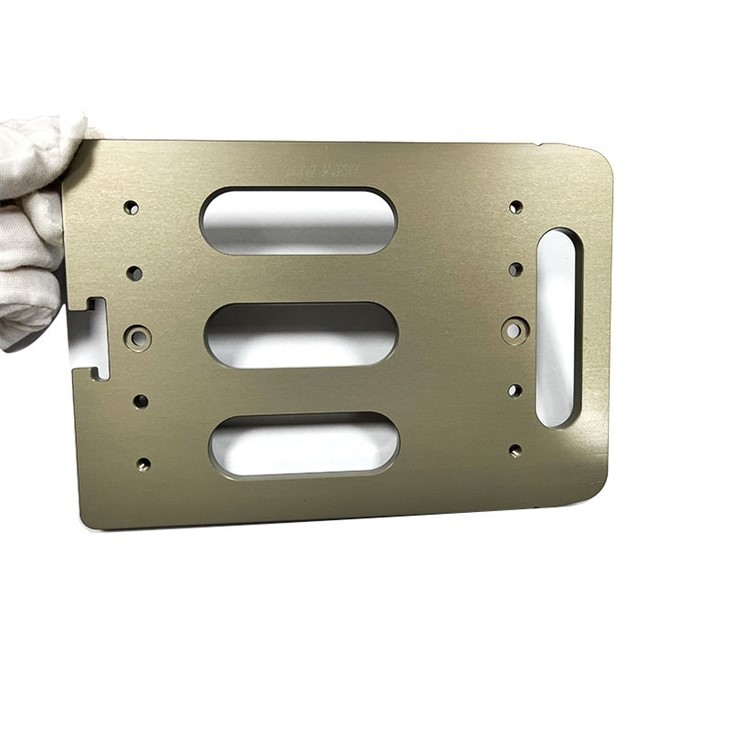

On the other hand, if the viscosity is too low, the fluid may not provide sufficient damping for the electrical discharges. This can lead to more erratic sparking, which in turn can cause uneven cutting and poor surface finish. For example, if you're cutting CNC Wire EDM Parts that require high precision, overly low - viscosity dielectric fluid can ruin the part's quality.
Dielectric Strength
Dielectric strength refers to the maximum electric field that a dielectric material can withstand without breaking down and conducting electricity. When the temperature of the dielectric fluid rises, its dielectric strength typically decreases.
In wire EDM, maintaining a high dielectric strength is crucial. If the dielectric strength is too low, there's a higher risk of arcing and short - circuits between the wire electrode and the workpiece. This can damage the wire electrode, cause excessive wear, and even lead to machine malfunctions. So, if you're using Wire - electrode Cutting techniques, keeping the dielectric fluid at an appropriate temperature is essential to ensure stable and reliable operation.
Cooling Capacity
The cooling capacity of the dielectric fluid is also affected by its temperature. A cooler fluid can absorb more heat from the cutting area. If the dielectric fluid gets too hot, its ability to cool the wire electrode and the workpiece is reduced.
This can lead to overheating, which can cause thermal damage to the workpiece and the wire electrode. Overheated wire electrodes are more likely to break, and overheated workpieces can experience changes in their material properties, such as hardness and dimensional stability. When performing Electrical Discharge Wire - Cutting, proper cooling is key to achieving accurate cuts and preventing part damage.
Impact on Cutting Performance
Cutting Speed
The temperature of the dielectric fluid can directly influence the cutting speed. When the fluid is at an optimal temperature, the cutting speed can be maximized. As mentioned earlier, a fluid with the right viscosity can flush debris effectively, allowing the electrical discharges to occur smoothly. This results in a faster material removal rate.
However, if the fluid is too hot or too cold, the cutting speed will be affected. A cold fluid with high viscosity may not flush debris quickly enough, slowing down the cutting process. A hot fluid with low dielectric strength can cause unstable sparking, also reducing the cutting speed.
Surface Finish
The surface finish of the workpiece is another area where dielectric fluid temperature plays a role. A well - regulated dielectric fluid temperature helps to produce a smooth surface finish. When the fluid properties are optimal, the electrical discharges are more controlled, resulting in a more uniform removal of material.
Conversely, if the temperature is not right, the surface finish can be poor. Uneven sparking due to improper dielectric strength or viscosity can leave behind rough spots, pits, or striations on the workpiece surface. This is especially important when you're manufacturing parts that require a high - quality surface finish, such as in the aerospace or medical industries.
Accuracy
Accuracy is a top priority in wire EDM. The temperature of the dielectric fluid affects the dimensional accuracy of the cut parts. Thermal expansion and contraction of the workpiece and the wire electrode can occur if the fluid is not at the right temperature.
For example, if the fluid is too hot, the workpiece may expand, leading to larger - than - intended dimensions. When the part cools down, it may shrink, causing dimensional inaccuracies. Maintaining a stable dielectric fluid temperature helps to minimize these thermal effects and ensures that the parts are cut to the correct specifications.
Controlling Dielectric Fluid Temperature
To ensure optimal performance in wire EDM, it's essential to control the temperature of the dielectric fluid. Most modern wire EDM machines are equipped with temperature control systems. These systems can heat or cool the dielectric fluid to maintain it within a specific temperature range.
Regular monitoring of the fluid temperature is also necessary. You can use temperature sensors to keep track of the fluid's temperature and make adjustments as needed. Additionally, proper maintenance of the dielectric fluid, such as filtration and replacement, can help to keep its properties stable and reduce the impact of temperature fluctuations.
Why It Matters to You
As a customer, understanding the influence of dielectric fluid temperature on wire EDM can help you make better decisions. If you're looking to purchase a wire EDM machine or outsource wire EDM services, you'll know what to look for in terms of temperature control capabilities.
You'll also be able to communicate more effectively with your wire EDM supplier. You can ask about the temperature management systems in place and how they ensure consistent dielectric fluid temperature during the cutting process. This knowledge can help you get high - quality parts with the right cutting speed, surface finish, and accuracy.
Let's Talk
If you're in the market for wire EDM services or looking to upgrade your wire EDM equipment, I'd love to have a chat with you. We have a wealth of experience in the wire EDM industry and can provide you with solutions tailored to your specific needs. Whether you're working on CNC Wire EDM Parts, Wire - electrode Cutting, or Electrical Discharge Wire - Cutting, we've got you covered. Reach out to us to start a conversation about your wire EDM requirements.
References
- Drozda, Thomas, and Mikell P. Groover. "Modern Manufacturing Processes." Wiley, 2010.
- Kapoor, Surendra G., and Seung - Mok Yang. "Advanced Machining Processes: Nontraditional and Hybrid Machining Processes." CRC Press, 2012.