

Hey there! As an anodizing supplier, I've been getting a lot of questions lately about anodizing layer adhesion strength. So, I thought I'd take a few minutes to break it down for you and explain what it is, why it matters, and how we ensure top - notch adhesion in our products.
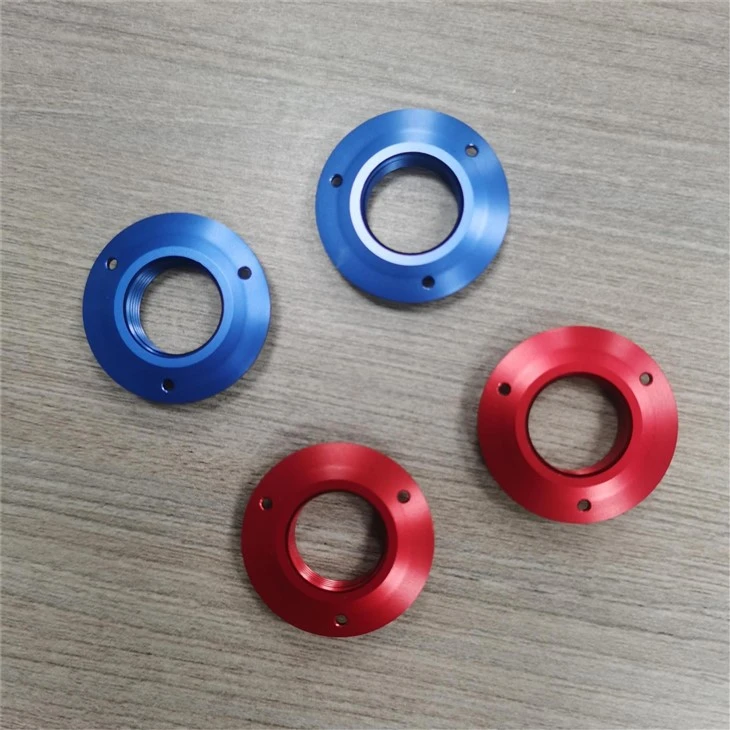
First off, let's talk about what anodizing is. Anodizing is a surface treatment process that creates a protective oxide layer on the surface of metals, usually aluminum. This layer not only enhances the metal's corrosion resistance but also gives it a nice finish. You can check out more about Anodizing Machining Parts on our website.
Now, the anodizing layer adhesion strength refers to how well this oxide layer sticks to the metal substrate. Think of it like paint on a wall. If the paint doesn't adhere well, it'll start to peel off, and the wall won't be protected. The same goes for anodized metals. If the anodizing layer has poor adhesion, it can flake or chip off, leaving the metal vulnerable to corrosion and other forms of damage.
There are several factors that can affect the adhesion strength of the anodizing layer. One of the most crucial ones is the preparation of the metal surface before anodizing. If the surface has grease, dirt, or other contaminants, the anodizing layer won't bond properly. That's why we pay extra attention to the pre - treatment process. We use a combination of cleaning and etching techniques to make sure the metal surface is clean and free of any impurities. This creates a rough surface texture that provides more surface area for the anodizing layer to grip onto.
The composition of the metal also plays a role. Different alloys have different properties, and some may be more difficult to anodize than others. For example, aluminum alloys with high levels of copper or silicon can be a bit tricky because these elements can interfere with the formation of a uniform anodizing layer. But we've got the expertise to handle these challenges. We adjust the anodizing process parameters, such as the electrolyte composition and the current density, to ensure good adhesion even with complex alloys.
Another factor is the anodizing process itself. The type of anodizing, whether it's sulfuric acid anodizing, chromic acid anodizing, or hard anodizing, can impact adhesion. Each process has its own set of conditions, and we carefully select the right one based on the customer's requirements. For instance, hard anodizing creates a thicker and more wear - resistant layer, but it also requires more precise control to maintain good adhesion.
We also use post - treatment methods to enhance adhesion. Sealing the anodized layer is a common practice. After anodizing, the metal is immersed in a hot water or chemical solution that fills the pores in the anodizing layer. This not only improves the corrosion resistance but also helps to lock the layer in place, increasing its adhesion strength.
At our company, we've developed a comprehensive quality control system to ensure the anodizing layer adhesion strength meets the highest standards. We conduct regular adhesion tests using methods like the tape test. In this test, we apply a piece of adhesive tape to the anodized surface and then quickly pull it off. If the anodizing layer doesn't come off with the tape, it means the adhesion is good. We also use more advanced techniques like cross - hatch testing and scratch testing for more accurate and detailed evaluations.
So, why does all this matter to you? Well, if you're in the market for CNC Anodizing Aluminum Machining Parts or CNC Machining Parts Anodizing, you want parts that are going to last. Whether it's for automotive components, aerospace parts, or consumer electronics, a strong anodizing layer adhesion ensures that the parts will maintain their appearance and functionality over time. You won't have to worry about the anodizing layer peeling off and causing problems down the line.
If you're looking for a reliable anodizing supplier that can provide high - quality parts with excellent anodizing layer adhesion strength, look no further. We've got the experience, the technology, and the commitment to quality to meet your needs. Whether you have a small - scale project or a large - volume order, we're here to help.
Don't hesitate to reach out to us if you have any questions or if you'd like to discuss your anodizing requirements. We're always happy to have a chat and see how we can work together to get you the best - anodized parts possible.
References
- ASM Handbook Volume 5: Surface Engineering.
- Aluminum Anodizing Technology by K. G. Keller.
- Journal of Materials Science and Engineering research papers on anodizing adhesion.