

Hey there! I'm a supplier of CNC custom parts, and I've been in this game for quite a while. One of the most common questions I get from customers is how to improve the machinability of materials for CNC custom parts. Well, I'm here to share some tips and tricks that I've picked up over the years.

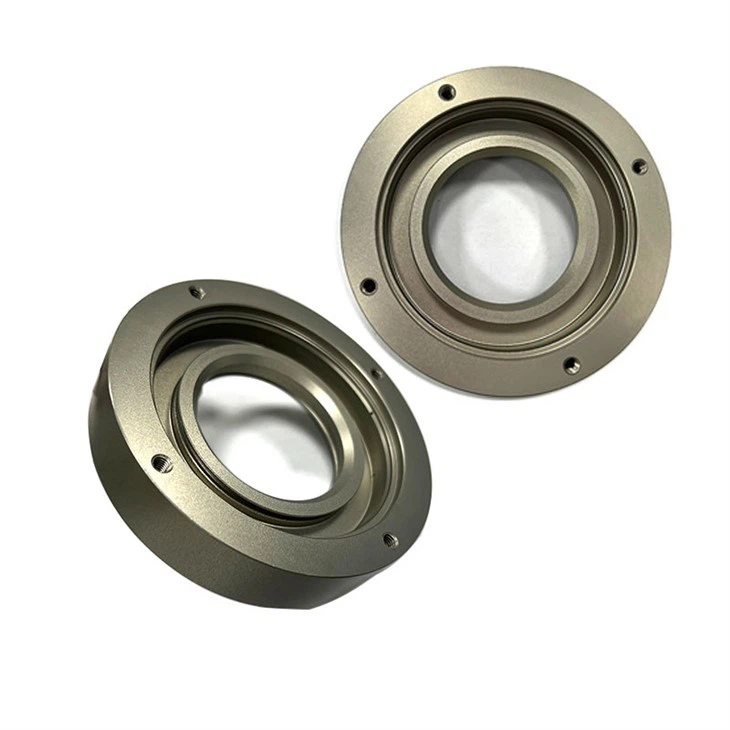
First off, let's talk about what machinability actually means. Machinability refers to how easily a material can be cut, shaped, and formed using CNC machining processes. A material with good machinability will require less energy, produce less tool wear, and result in a better surface finish. On the other hand, a material with poor machinability can be a real pain in the you - know - what, leading to longer machining times, higher costs, and lower quality parts.
Selecting the Right Material
The first step in improving machinability is choosing the right material for the job. Different materials have different properties that can affect how they behave during machining.
Metals
- Aluminum: Aluminum is a popular choice for CNC custom parts because it has excellent machinability. It cuts easily, produces short chips, and has a relatively low cutting force requirement. This means you can use higher cutting speeds and feeds, which translates to faster machining times. For example, if you're making lightweight components like CNC Copper Parts, aluminum might be a great option.
- Copper: Copper is another metal with good machinability. It has high thermal conductivity, which helps to dissipate heat during machining, reducing the risk of tool overheating. Copper also has a soft and ductile nature, allowing for smooth cutting operations. You can find a wide range of copper parts in our CNC Copper Parts collection.
- Titanium: Titanium is a bit more challenging to machine compared to aluminum and copper. It has a high strength - to - weight ratio and excellent corrosion resistance, but it also has a low thermal conductivity. This means that heat generated during machining can build up quickly, leading to tool wear. However, with the right cutting tools and machining parameters, you can still achieve good results. Check out our CNC Titanium Parts for some great examples of what's possible.
Plastics
- Acrylic: Acrylic is a commonly used plastic in CNC machining. It has good machinability, cuts cleanly, and can be easily polished to a high - gloss finish. It's often used for making Jewelry Accessories CNC Machining due to its aesthetic appeal.
- Nylon: Nylon is a tough and flexible plastic that can be machined relatively easily. It has good wear resistance and is often used in applications where durability is important.
Optimizing Cutting Tools
The cutting tools you use play a crucial role in improving machinability. Here are some things to consider:
Tool Material
- Carbide: Carbide cutting tools are widely used in CNC machining because they are hard, wear - resistant, and can withstand high cutting temperatures. They are suitable for machining a variety of materials, including metals and plastics.
- High - Speed Steel (HSS): HSS tools are less expensive than carbide but are also less wear - resistant. They are a good choice for machining softer materials or when cost is a major factor.
Tool Geometry
- Rake Angle: The rake angle of a cutting tool affects the cutting force and chip formation. A positive rake angle reduces the cutting force but may lead to weaker tool edges. A negative rake angle increases the cutting force but provides a stronger tool edge.
- Cutting Edge Radius: A smaller cutting edge radius can result in a better surface finish, but it may also increase the risk of tool breakage. You need to find the right balance for your specific application.
Adjusting Machining Parameters
The machining parameters you set on your CNC machine can have a big impact on machinability.
Cutting Speed
- The cutting speed is the speed at which the cutting tool moves relative to the workpiece. Increasing the cutting speed can reduce machining time, but it also increases the heat generated and the risk of tool wear. You need to find the optimal cutting speed for the material you're machining. For example, aluminum can typically be machined at higher cutting speeds compared to titanium.
Feed Rate
- The feed rate is the rate at which the cutting tool advances into the workpiece. A higher feed rate can increase the material removal rate, but it may also lead to a poorer surface finish. You need to adjust the feed rate based on the material, the cutting tool, and the desired surface finish.
Depth of Cut
- The depth of cut is the thickness of the material removed in each pass of the cutting tool. A larger depth of cut can increase the material removal rate, but it also increases the cutting force and the risk of tool breakage. You need to find the right balance between the depth of cut and the other machining parameters.
Using Coolants and Lubricants
Coolants and lubricants are essential for improving machinability. They help to:
- Reduce Heat: By dissipating the heat generated during machining, coolants and lubricants prevent the cutting tool from overheating, which can extend its life.
- Improve Chip Formation: They help to break up chips and prevent them from clogging the cutting area, which can improve the surface finish of the part.
- Reduce Friction: Lubricants reduce the friction between the cutting tool and the workpiece, which can reduce the cutting force and improve the overall machining efficiency.
There are different types of coolants and lubricants available, including water - based coolants, oil - based coolants, and dry lubricants. You need to choose the right one for your specific application.
Pre - processing the Material
Sometimes, pre - processing the material can improve its machinability. For example:
- Annealing: Annealing is a heat - treatment process that softens the material and reduces its internal stresses. This can make the material easier to machine, especially for materials like titanium.
- Normalizing: Normalizing is another heat - treatment process that can improve the grain structure of the material, making it more uniform and easier to machine.
Quality Control and Inspection
Finally, it's important to have a good quality control and inspection process in place. This will help you to identify any issues with the machinability of the material or the machining process early on. You can use techniques such as:
- Visual Inspection: Look for any signs of tool wear, poor surface finish, or dimensional errors.
- Dimensional Measurement: Use precision measuring tools like calipers and micrometers to ensure that the parts meet the required specifications.
- Material Testing: Conduct material tests to ensure that the material properties are within the acceptable range.
In conclusion, improving the machinability of materials for CNC custom parts requires a combination of selecting the right material, optimizing the cutting tools, adjusting the machining parameters, using coolants and lubricants, pre - processing the material, and having a good quality control process. By following these tips, you can reduce machining time, lower costs, and produce high - quality CNC custom parts.
If you're interested in purchasing CNC custom parts or have any questions about improving machinability, feel free to reach out and start a procurement discussion. We're here to help you get the best results for your projects.
References
- "Machining Handbook" by Eugene A. Avallone and Theodore Baumeister III
- "CNC Machining Technology" by Paul D. Kochan
- "Materials Science and Engineering: An Introduction" by William D. Callister Jr. and David G. Rethwisch