

Hey there! As an anodizing supplier, I've seen my fair share of anodized surfaces, and I know how important it is to keep them clean. Anodizing is a popular surface treatment that enhances the durability, corrosion resistance, and appearance of metal parts. But over time, these surfaces can get dirty, stained, or scratched, which not only affects their look but also their performance. So, what's the best way to clean anodized surfaces? Let's dive in!
Understanding Anodized Surfaces
Before we talk about cleaning methods, it's essential to understand what anodized surfaces are. Anodizing is an electrochemical process that creates a protective oxide layer on the surface of metals, usually aluminum. This layer is hard, porous, and can be dyed to achieve different colors. The anodized layer provides excellent corrosion resistance and wear protection, but it also requires proper care to maintain its integrity.
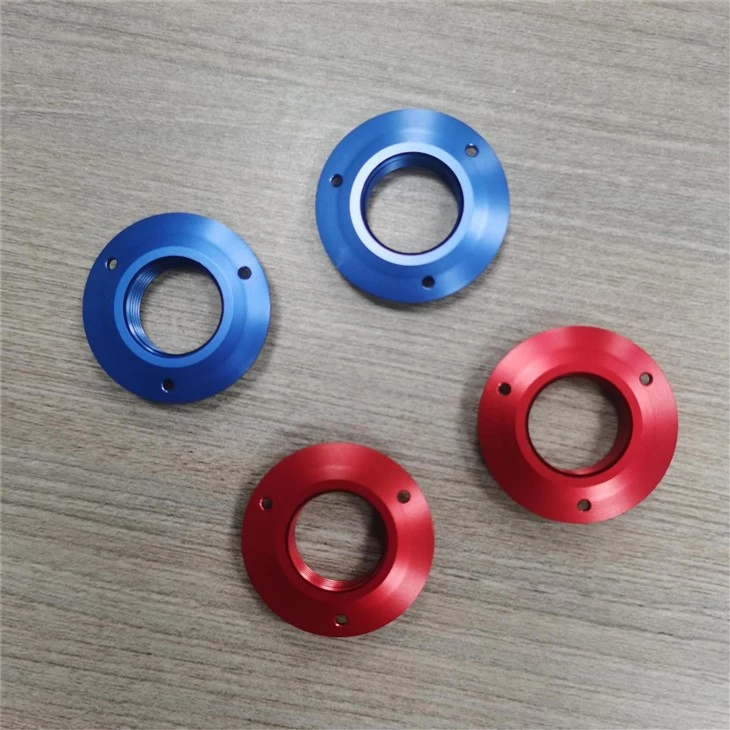
There are different types of anodizing, such as Type II (sulfuric acid anodizing) and Type III (hard anodizing). Type II anodizing is the most common and is used for a wide range of applications, including CNC Machining Parts Anodizing. Type III anodizing, on the other hand, is thicker and harder, making it suitable for applications that require high wear resistance, like CNC Anodizing Aluminum Machining Parts.
General Cleaning Guidelines
When it comes to cleaning anodized surfaces, the key is to be gentle. Harsh chemicals, abrasive cleaners, and rough scrubbing can damage the anodized layer, so it's best to avoid them. Here are some general cleaning guidelines to follow:
- Start with a gentle cleaning solution: A mild soap or detergent mixed with water is usually sufficient for regular cleaning. You can use a soft cloth or sponge to apply the solution to the surface and gently wipe away dirt and grime.
- Rinse thoroughly: After cleaning, make sure to rinse the surface thoroughly with clean water to remove any soap residue. Leaving soap on the surface can cause streaks and damage the anodized layer over time.
- Dry the surface: Use a clean, soft cloth to dry the surface completely. This helps prevent water spots and corrosion.
Specific Cleaning Methods
The cleaning method you choose will depend on the type of dirt or stain on the anodized surface. Here are some specific cleaning methods for common problems:
Removing Dust and Dirt
For regular dust and dirt, a simple dusting or wiping with a soft, dry cloth is usually enough. If the surface is a bit dirty, you can use a mild soap and water solution as described above.
Cleaning Grease and Oil Stains
Grease and oil stains can be a bit more challenging to remove. You can try using a degreaser specifically designed for anodized surfaces. Apply the degreaser to a soft cloth and gently rub the stained area. Rinse thoroughly with water and dry the surface.
Removing Rust and Corrosion
If you notice rust or corrosion on the anodized surface, it's important to address it quickly to prevent further damage. You can use a rust remover that is safe for anodized surfaces. Follow the instructions on the product carefully and make sure to rinse the surface thoroughly after treatment.
Cleaning Scratches
Minor scratches on anodized surfaces can sometimes be buffed out using a fine-grit sandpaper or a polishing compound. However, be very careful not to apply too much pressure, as this can damage the anodized layer. For deeper scratches, it may be necessary to have the surface re-anodized.
Preventive Maintenance
In addition to regular cleaning, preventive maintenance can help keep anodized surfaces in good condition. Here are some tips:
- Avoid contact with harsh chemicals: Keep anodized surfaces away from acids, alkalis, and other harsh chemicals that can damage the anodized layer.
- Use protective coatings: Applying a protective coating, such as a wax or sealant, can help protect the anodized surface from scratches, stains, and corrosion.
- Handle with care: When handling anodized parts, use gloves to prevent fingerprints and scratches. Avoid dropping or hitting the parts, as this can cause damage to the anodized layer.
Professional Cleaning Services
If you're dealing with a large or heavily soiled anodized surface, or if you're not sure how to clean it properly, it may be a good idea to hire a professional cleaning service. Professional cleaners have the experience and equipment to clean anodized surfaces safely and effectively.
Conclusion
Cleaning anodized surfaces doesn't have to be a hassle. By following the right cleaning methods and preventive maintenance tips, you can keep your anodized parts looking great and performing well for years to come. Whether you're dealing with CNC Machining Parts Anodizing, CNC Anodizing Aluminum Machining Parts, or Anodizing Machining Parts, proper cleaning is essential.

If you have any questions about anodizing or need help with cleaning your anodized surfaces, feel free to reach out. We're here to assist you with all your anodizing needs and can provide you with more detailed advice and solutions. Whether you're looking to purchase anodized parts or need our anodizing services for your machining parts, we're ready to start a conversation. Contact us today to discuss your requirements and let's work together to achieve the best results for your projects.
References
- ASM Handbook, Volume 5: Surface Engineering. ASM International.
- Aluminum Anodizing Technology Handbook. Finishers' Management.