

Anodizing is a widely used electrochemical process that enhances the surface properties of metals, particularly aluminum. As an anodizing supplier, I've witnessed firsthand the importance and versatility of anodizing in various industries. One of the key aspects of anodizing is its absorption performance, which plays a crucial role in determining the final appearance and functionality of anodized parts. In this blog, we'll delve into what anodizing absorption performance is, how it works, and why it matters.
Understanding Anodizing
Before we dive into absorption performance, let's briefly review the anodizing process. Anodizing involves creating an oxide layer on the surface of a metal through an electrochemical reaction. When aluminum is anodized, an aluminum oxide layer is formed, which is harder, more durable, and more corrosion - resistant than the bare metal. This oxide layer has a porous structure, and it's this porosity that is closely related to the absorption performance.
What is Anodizing Absorption Performance?
Anodizing absorption performance refers to the ability of the anodized surface to absorb substances such as dyes, sealants, or lubricants. The porous oxide layer created during anodizing acts like a sponge, capable of taking in these substances. This property is exploited in several applications, each with its own set of requirements for absorption.
Dye Absorption
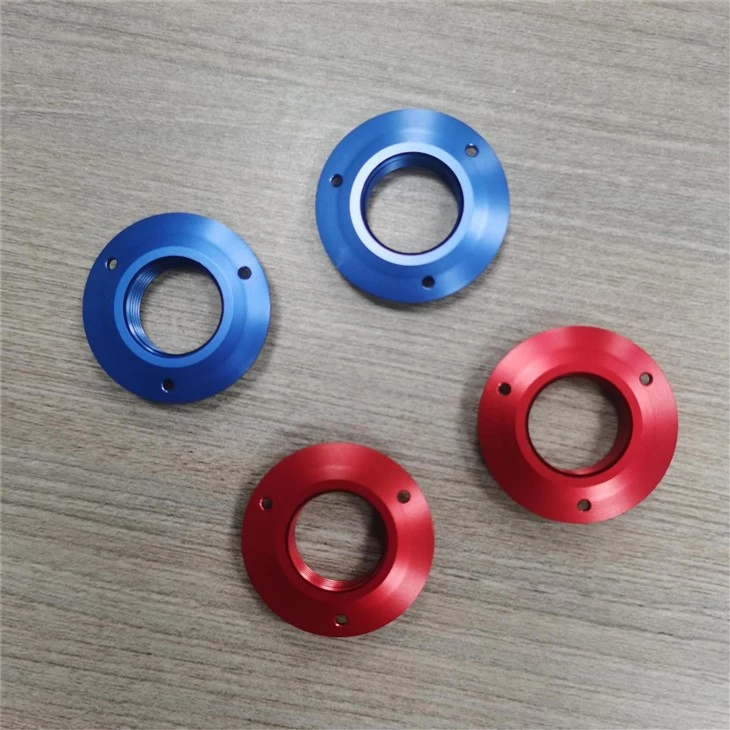
One of the most common uses of anodizing absorption performance is in coloring anodized parts. By immersing the anodized aluminum in a dye bath, the porous oxide layer absorbs the dye molecules. The more effectively the anodized surface can absorb the dye, the more vibrant and uniform the color will be. Different anodizing processes can result in varying levels of porosity, which in turn affects dye absorption. For example, sulfuric acid anodizing typically produces a porous oxide layer that is well - suited for dye absorption, allowing for a wide range of colors to be achieved.
When it comes to Anodizing Machining Parts, the ability to absorb dyes evenly is crucial for achieving a consistent and aesthetically pleasing appearance. Whether it's for consumer electronics, automotive trim, or architectural applications, the color of the anodized part can significantly impact its marketability.
Sealant Absorption
After dyeing or for parts that don't require coloring, the anodized surface is often sealed. Sealants are absorbed into the porous oxide layer to fill the pores and improve the corrosion resistance and durability of the anodized part. A good anodizing absorption performance ensures that the sealant penetrates deeply into the pores, forming a tight barrier against moisture, chemicals, and other environmental factors.
For CNC Machining Parts Anodizing, proper sealant absorption is essential. CNC - machined parts are often used in high - precision and demanding applications, where any form of corrosion or surface degradation can lead to performance issues. A well - sealed anodized surface can extend the service life of these parts and reduce maintenance costs.
Lubricant Absorption
In some industrial applications, anodized parts may need to have self - lubricating properties. Anodizing absorption performance allows for the incorporation of lubricants into the porous oxide layer. The lubricant is absorbed and retained within the pores, providing a long - lasting lubricating effect. This is particularly useful in applications where moving parts are involved, such as in machinery or automotive components.
CNC Anodizing Aluminum Machining Parts can benefit greatly from lubricant absorption. Aluminum parts used in CNC machining are often subject to high - speed operations and friction. By having a self - lubricating anodized surface, the wear and tear on these parts can be significantly reduced, improving their efficiency and reliability.
Factors Affecting Anodizing Absorption Performance
Several factors can influence the absorption performance of an anodized surface.
Anodizing Process Parameters
The type of anodizing process, the concentration of the electrolyte, the temperature, and the anodizing time all play a role in determining the porosity of the oxide layer and, consequently, its absorption performance. For example, a higher anodizing voltage generally results in a thicker and more porous oxide layer, which can enhance absorption. However, excessive voltage can also lead to uneven pore distribution and other surface defects.
Metal Alloy Composition
The composition of the aluminum alloy being anodized can affect absorption performance. Different alloying elements can alter the structure and properties of the oxide layer. For instance, alloys with higher levels of copper may have a different porosity and surface morphology compared to pure aluminum, which can impact how well the anodized surface absorbs dyes, sealants, or lubricants.
Surface Preparation
Proper surface preparation is essential for achieving good anodizing absorption performance. Any contaminants, such as oil, grease, or dirt, on the surface of the metal can block the pores and prevent substances from being absorbed. Therefore, thorough cleaning and pre - treatment steps, such as degreasing and etching, are necessary to ensure a clean and receptive surface for anodizing.
Measuring Anodizing Absorption Performance
There are several methods to measure anodizing absorption performance.
Dye Absorption Testing
One common method is to measure the color intensity and uniformity of dyed anodized samples. This can be done using spectrophotometers or colorimeters, which can quantify the amount of dye absorbed and the consistency of the color across the surface. A higher color intensity and better uniformity indicate better dye absorption performance.
Sealant Absorption Testing
Sealant absorption can be evaluated by measuring the corrosion resistance of the anodized part after sealing. Salt spray tests are often used to simulate harsh environmental conditions and assess how well the sealant has protected the surface. A lower rate of corrosion indicates effective sealant absorption.
Lubricant Absorption Testing
For lubricant absorption, friction and wear tests can be conducted. By measuring the coefficient of friction and the amount of wear on anodized parts with absorbed lubricants, it's possible to determine how well the lubricant has been incorporated and how effectively it reduces friction.
The Importance of Anodizing Absorption Performance for Our Customers
As an anodizing supplier, understanding and controlling anodizing absorption performance is crucial for meeting our customers' needs. Whether they require brightly colored parts for consumer products, highly corrosion - resistant components for industrial applications, or self - lubricating parts for machinery, we need to ensure that our anodizing processes deliver the desired absorption performance.
By providing high - quality anodized parts with excellent absorption performance, we can help our customers improve the functionality, durability, and appearance of their products. This, in turn, can enhance their competitiveness in the market and lead to long - term partnerships.
Contact Us for Your Anodizing Needs
If you're in the market for anodized parts with superior absorption performance, we'd love to hear from you. Our team of experts has extensive experience in anodizing and can work with you to develop customized solutions that meet your specific requirements. Whether you need small - scale prototypes or large - volume production, we have the capabilities and resources to deliver. Reach out to us to start a discussion about your anodizing project and explore how we can add value to your products.
References
- ASM Handbook Volume 5: Surface Engineering. ASM International.
- Metals Handbook: Properties and Selection: Nonferrous Alloys and Pure Metals. American Society for Metals.
- Anodizing of Aluminum and its Alloys: Principles and Practice. K. G. Weil, C. P. Berg, and G. Thompson.