

Hey there! As an anodizing supplier, I've been in the game for quite a while, and I know how crucial the post-treatment processes for anodized parts are. In this blog, I'm gonna walk you through these processes, sharing some insights and tips that I've gathered over the years.
1. Rinsing
The first step after anodizing is rinsing. This might sound simple, but it's super important. Once the anodizing process is done, the parts are covered in the electrolyte solution used during anodizing. If this solution isn't removed properly, it can cause staining or corrosion over time.
We usually use multiple rinse tanks to make sure all the electrolyte is washed off. The first rinse is often a quick dip in a tank filled with cold water. This helps to stop the anodizing reaction and remove the bulk of the electrolyte. Then, the parts go through a series of more thorough rinses, sometimes with deionized water. Deionized water is great because it doesn't leave behind any mineral deposits that could affect the finish of the anodized parts.
2. Sealing
Sealing is a key post-treatment process. After anodizing, the anodic oxide layer on the parts has tiny pores. These pores can trap dirt, moisture, and other contaminants, which can lead to corrosion or a dull appearance. Sealing closes these pores, making the anodized surface more resistant to corrosion and wear.
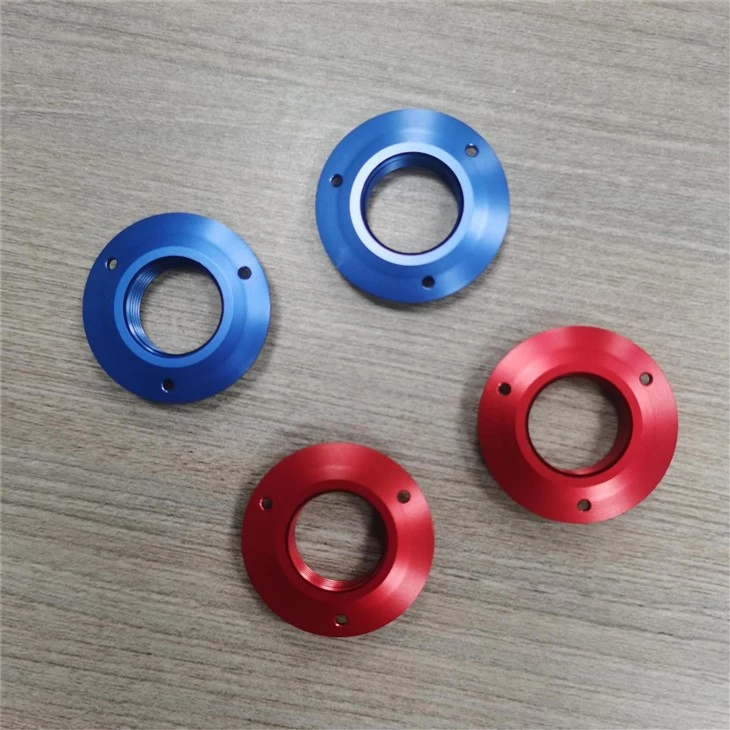

There are different methods of sealing. One common method is hot water sealing. In this process, the anodized parts are immersed in hot water (usually around 95 - 100°C) for a certain period of time. The heat causes the oxide layer to expand and close the pores. Another method is nickel acetate sealing. This involves dipping the parts in a solution containing nickel acetate. The nickel ions react with the oxide layer to form a compound that seals the pores.
Sealing also affects the appearance of the anodized parts. For example, hot water sealing can give the parts a slightly more matte finish, while nickel acetate sealing can result in a shinier appearance.
3. Drying
Once the parts are rinsed and sealed, they need to be dried. Drying is important to prevent water spots and ensure that the parts are completely dry before further processing or packaging.
We usually use air drying or oven drying. Air drying is a simple and cost - effective method. The parts are placed in a well - ventilated area, and the air helps to evaporate the water. However, it can take a long time, especially for larger parts. Oven drying is faster. The parts are placed in an oven at a controlled temperature (usually around 60 - 80°C) for a specific period of time. This ensures that all the moisture is removed quickly and evenly.
4. Inspection
Inspection is a crucial step in the post - treatment process. We need to make sure that the anodized parts meet the required quality standards.
During inspection, we check for things like color consistency, surface defects, and the thickness of the anodized layer. Color consistency is important, especially if the parts are going to be used in an application where appearance matters. Surface defects such as scratches, pits, or stains can affect the performance and appearance of the parts. We use various tools and techniques to check the thickness of the anodized layer, such as a thickness gauge.
If any defects are found during inspection, the parts may need to be re - anodized or undergo additional post - treatment processes to correct the issues.
5. Packaging
After inspection, the anodized parts are ready for packaging. Proper packaging is important to protect the parts during transportation and storage.
We use different types of packaging materials depending on the size and shape of the parts. For small parts, we might use plastic bags or boxes lined with foam or bubble wrap. This helps to prevent the parts from scratching each other. For larger parts, we might use wooden crates or custom - made containers.
The packaging also needs to be labeled correctly. We include information such as the part number, the anodizing specifications, and any handling instructions.
Applications and Benefits of Post - Treated Anodized Parts
The post - treated anodized parts have a wide range of applications. They are commonly used in the automotive industry for parts such as wheels, engine components, and trim. In the aerospace industry, anodized parts are used for their corrosion resistance and lightweight properties. They are also used in the electronics industry for enclosures and heat sinks.
The benefits of post - treated anodized parts are numerous. They have improved corrosion resistance, which means they can last longer in harsh environments. They also have better wear resistance, which is important for parts that are subject to friction. In addition, the post - treatment processes can enhance the appearance of the parts, making them more aesthetically pleasing.
Why Choose Our Anodizing Services
As an anodizing supplier, we have years of experience in providing high - quality anodizing and post - treatment services. We use the latest equipment and techniques to ensure that the anodized parts meet the highest standards.
We offer a wide range of anodizing options, including Anodizing Machining Parts, CNC Machining Parts Anodizing, and CNC Anodizing Aluminum Machining Parts. Our team of experts is always available to provide technical support and advice.
If you're looking for a reliable anodizing supplier, we'd love to hear from you. Whether you have a small batch of parts or a large - scale production order, we can handle it. Contact us today to discuss your anodizing needs and get a quote.
References
- ASM Handbook, Volume 5: Surface Engineering.
- Aluminum Anodizing Technology by Wernick, Pinner, and Sheasby.