

Anodizing is a widely used surface treatment process that enhances the durability, corrosion resistance, and aesthetic appeal of metal parts, especially aluminum. As an anodizing supplier, I often receive inquiries about the lifespan of anodized coatings. In this blog post, I'll delve into the factors that influence the longevity of anodized coatings and provide insights based on industry knowledge and experience.
Understanding Anodized Coatings
Anodizing is an electrochemical process that converts the surface of a metal into a durable, corrosion - resistant oxide layer. For aluminum, which is the most commonly anodized metal, the process involves immersing the part in an electrolyte solution and passing an electric current through it. This causes the aluminum to react with oxygen in the solution, forming a hard and porous aluminum oxide layer on the surface.
The anodized coating can vary in thickness, depending on the application requirements. Thicker coatings generally offer better protection and longer service life. There are different types of anodizing processes, such as Type II (sulfuric acid anodizing) and Type III (hard anodizing), each with its own characteristics and durability levels.
Factors Affecting the Lifespan of Anodized Coatings
Coating Thickness
One of the most significant factors influencing the longevity of an anodized coating is its thickness. Thicker coatings provide more protection against wear, abrasion, and corrosion. For example, in architectural applications where the anodized parts are exposed to the elements, a thicker Type II anodized coating of around 10 - 25 microns is often used. In contrast, for industrial applications with high - wear conditions, a Type III hard anodized coating, which can be 25 - 150 microns thick, may be required.
As an anodizing supplier, we work closely with our customers to determine the appropriate coating thickness based on their specific needs. Whether it's CNC Machining Parts Anodizing or Anodizing Machining Parts, we ensure that the coating thickness meets the performance requirements of the application.
Environmental Conditions
The environment in which the anodized part is used plays a crucial role in determining the coating's lifespan. In harsh environments, such as coastal areas with high salt content in the air, or industrial settings with exposure to chemicals and pollutants, the anodized coating may degrade more quickly.
Saltwater can accelerate the corrosion process, and chemicals can react with the anodized layer, causing it to break down. On the other hand, in indoor or controlled environments with low humidity and minimal exposure to contaminants, the anodized coating can last much longer.
For example, an anodized aluminum part used in a cleanroom environment may have a lifespan of several decades, while the same part exposed to a marine environment may need to be replaced or re - anodized every few years.
Surface Finish and Preparation
Proper surface preparation is essential for a long - lasting anodized coating. Before the anodizing process, the metal part must be thoroughly cleaned and pre - treated to remove any contaminants, such as oil, grease, and dirt. Any impurities left on the surface can affect the adhesion of the anodized layer and lead to premature failure.
A smooth surface finish also contributes to the durability of the coating. Rough surfaces can cause stress concentrations in the anodized layer, making it more susceptible to cracking and peeling. As an anodizing supplier, we pay close attention to surface preparation and finishing to ensure the best possible results for our customers, especially when dealing with CNC Anodizing Aluminum Machining Parts.
Usage and Maintenance
The way the anodized part is used and maintained can also impact the coating's lifespan. Parts that are subject to frequent abrasion, such as those in moving machinery or equipment, may experience more wear on the anodized coating. Regular cleaning and maintenance can help extend the coating's life by removing dirt and debris that could otherwise cause damage.
However, it's important to use the right cleaning agents. Harsh chemicals or abrasive cleaners can damage the anodized layer. Instead, mild soap and water are usually sufficient for cleaning anodized parts.
Typical Lifespan of Anodized Coatings
The lifespan of an anodized coating can vary widely depending on the factors mentioned above. In general, a well - applied and properly maintained Type II anodized coating in a mild environment can last 10 - 20 years. For example, anodized aluminum window frames in a non - coastal residential area may fall into this category.
In more demanding applications, such as automotive or aerospace components, a Type III hard anodized coating can last 5 - 10 years, provided it is not subjected to extreme wear or chemical exposure. However, in harsh industrial or marine environments, the lifespan may be significantly shorter, ranging from 1 - 5 years.
Extending the Lifespan of Anodized Coatings
As an anodizing supplier, we offer several solutions to help our customers extend the lifespan of their anodized parts.
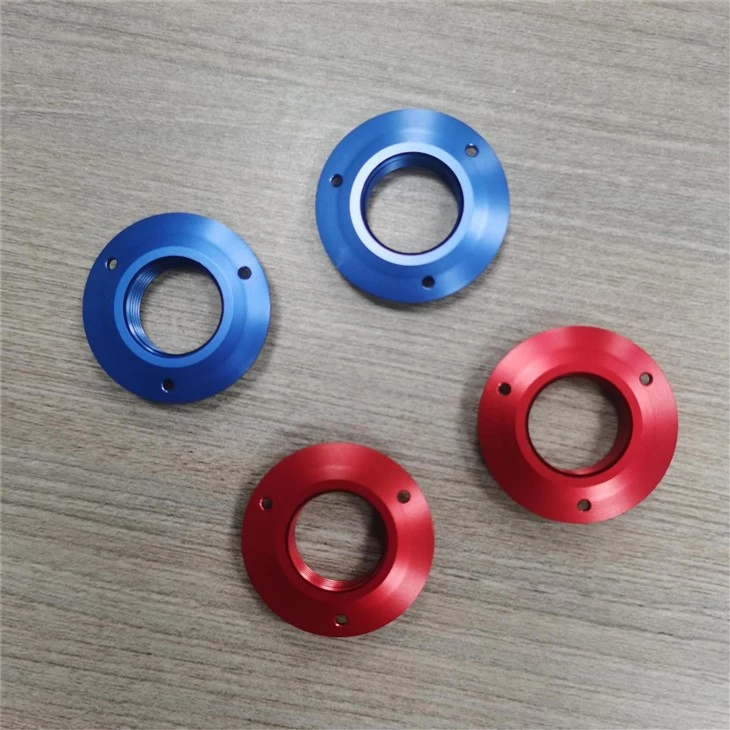

Customized Anodizing Processes
We work with our customers to develop customized anodizing processes based on their specific application requirements. By carefully selecting the anodizing type, coating thickness, and pre - treatment methods, we can optimize the coating's performance and durability.
Quality Control
We have strict quality control measures in place to ensure that every anodized part meets the highest standards. From the initial surface preparation to the final inspection, we monitor every step of the process to guarantee a high - quality, long - lasting coating.
Technical Support
We provide technical support to our customers on how to properly use and maintain their anodized parts. This includes advice on cleaning methods, storage conditions, and handling procedures to minimize the risk of damage to the coating.
Contact Us for Your Anodizing Needs
If you're looking for high - quality anodizing services for your CNC Machining Parts Anodizing, Anodizing Machining Parts, or CNC Anodizing Aluminum Machining Parts, we're here to help. Our team of experts has the knowledge and experience to provide you with the best anodizing solutions tailored to your specific needs.
Don't hesitate to reach out to us to discuss your project and learn more about how our anodizing services can enhance the durability and performance of your metal parts.
References
- ASM Handbook Volume 5: Surface Engineering, ASM International
- Aluminum Anodizing Technology, Elsevier
- Standards and Guidelines for Anodizing of Aluminum, International Anodizing Association