

Anodizing is an electrochemical process that has been widely recognized for its ability to enhance the surface properties of metals, particularly aluminum. As an anodizing supplier, I've witnessed firsthand the remarkable improvements in abrasion resistance that anodizing can bring to various materials. In this blog, I'll delve into the science behind how anodizing improves the abrasion resistance of a material and why it's a crucial process for many industries.
Understanding Anodizing
Anodizing is a process that involves creating an oxide layer on the surface of a metal through an electrochemical reaction. This oxide layer is not only thicker and more durable than the natural oxide layer that forms on the metal's surface but also has unique properties that can significantly enhance the material's performance.
When a metal, typically aluminum, is anodized, it is immersed in an electrolyte solution and connected to the positive terminal of a direct current power supply. The negative terminal is connected to a cathode, usually made of a non - reactive material such as lead or carbon. As an electric current passes through the electrolyte, oxygen is released at the surface of the metal, reacting with the metal atoms to form an oxide layer.
How Anodizing Improves Abrasion Resistance
Formation of a Hard Oxide Layer
One of the primary ways anodizing improves abrasion resistance is by creating a hard oxide layer on the surface of the material. The anodic oxide layer has a hardness that can be significantly higher than the base metal. For aluminum, the hardness of the anodized layer can range from 300 to 600 HV (Vickers hardness), depending on the anodizing process parameters. This hard layer acts as a protective barrier, preventing the base metal from coming into direct contact with abrasive particles or surfaces.
For example, in applications where aluminum parts are subjected to sliding or rubbing against other components, the anodized layer can withstand the wear and tear much better than the untreated aluminum. This is particularly important in industries such as automotive, aerospace, and machinery, where components need to have a long service life even under harsh operating conditions.
Porous Structure and Sealing
The anodic oxide layer has a porous structure, which can be further enhanced to improve abrasion resistance. The pores in the oxide layer can be filled with various substances during a process called sealing. Sealing can be done using different methods, such as hot water sealing, nickel acetate sealing, or dichromate sealing.

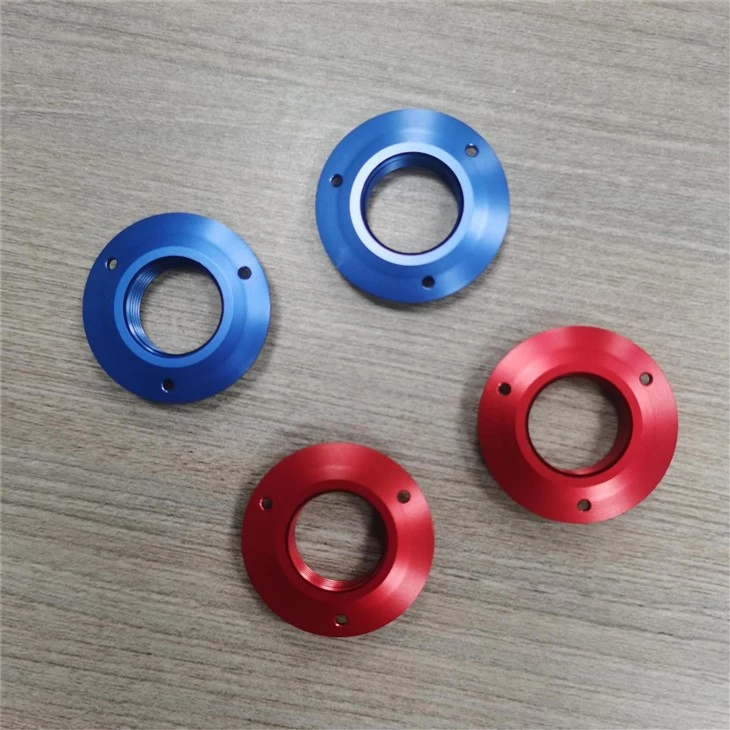
During the sealing process, the pores are filled with materials that can provide additional lubrication or hardness. For instance, when using a lubricant - filled sealant, the anodized surface becomes more slippery, reducing the friction between the material and the abrasive surface. This not only improves the abrasion resistance but also reduces the energy consumption in applications where there is relative motion between parts.
Moreover, the sealed pores prevent the penetration of moisture and contaminants into the base metal, which can cause corrosion and further weaken the material. By protecting the base metal from corrosion, the anodized layer maintains its integrity and continues to provide effective abrasion resistance over time.
Improved Adhesion for Coatings
Anodizing also improves the adhesion of coatings to the metal surface. In many applications, additional coatings such as paints or polymers are applied to the anodized surface to provide further protection or aesthetic appeal. The porous structure of the anodized layer provides a large surface area for the coating to bond to, resulting in a stronger and more durable coating.
A well - adhered coating can act as an additional layer of protection against abrasion. For example, in architectural applications, anodized aluminum parts are often painted to match the building's design. The anodized layer ensures that the paint adheres firmly to the surface, preventing it from chipping or peeling off due to abrasion from wind - blown debris or cleaning operations.
Applications of Anodized Materials with Improved Abrasion Resistance
Automotive Industry
In the automotive industry, anodized parts are used in a variety of applications where abrasion resistance is crucial. For example, anodized aluminum pistons can withstand the high - pressure and high - temperature environment inside the engine cylinders. The anodized layer protects the pistons from wear caused by the friction between the piston and the cylinder wall, improving the engine's efficiency and longevity.
Anodized parts are also used in the exterior of vehicles, such as trim pieces and wheel covers. These parts are exposed to various environmental factors, including dirt, sand, and road debris. The anodized layer provides the necessary abrasion resistance to keep these parts looking new and functioning properly for a long time.
Aerospace Industry
The aerospace industry demands materials with high strength - to - weight ratios and excellent abrasion resistance. Anodized aluminum is widely used in aircraft components such as landing gear, wing structures, and engine parts. The anodized layer protects these components from the harsh conditions of flight, including high - speed airflow, dust, and debris.
In addition, anodized parts in the aerospace industry are often subjected to strict quality and performance standards. The ability of anodizing to improve abrasion resistance while maintaining the material's light weight makes it an ideal choice for these critical applications.
Machinery and Equipment
In industrial machinery and equipment, anodized parts are used in many moving components. For example, anodized shafts and bearings can withstand the constant friction and wear during operation. The anodized layer reduces the need for frequent maintenance and replacement of these parts, resulting in cost savings for the equipment owners.
Anodizing is also used in the manufacturing of molds and dies. The anodized surface of the molds can resist the abrasion caused by the injection or stamping of materials, ensuring the accuracy and quality of the manufactured products.
Our Anodizing Services
As an anodizing supplier, we offer a wide range of anodizing services to meet the diverse needs of our customers. Our Anodizing Machining Parts service is designed to provide high - quality anodized parts for various industries. We use advanced anodizing techniques and state - of - the - art equipment to ensure that the anodized layers have the desired properties, including excellent abrasion resistance.
Our CNC Machining Parts Anodizing service combines the precision of CNC machining with the benefits of anodizing. This allows us to produce anodized parts with complex geometries and tight tolerances, meeting the exact specifications of our customers.
For those in need of aluminum parts with superior abrasion resistance, our CNC Anodizing Aluminum Machining Parts service is the ideal solution. We have extensive experience in anodizing aluminum parts for different applications, and we can customize the anodizing process to achieve the best results for your specific needs.
Conclusion
Anodizing is a powerful process that can significantly improve the abrasion resistance of materials, especially aluminum. By creating a hard oxide layer, utilizing the porous structure for sealing, and improving the adhesion of coatings, anodizing provides a comprehensive solution for protecting materials from wear and tear.
The applications of anodized materials with improved abrasion resistance are vast, spanning across multiple industries such as automotive, aerospace, and machinery. As an anodizing supplier, we are committed to providing high - quality anodizing services to help our customers enhance the performance and durability of their products.
If you are interested in our anodizing services or have any questions about how anodizing can improve the abrasion resistance of your materials, please feel free to contact us for procurement and further discussions. We look forward to working with you to meet your anodizing needs.
References
- Davis, J. R. (Ed.). (2001). Aluminum and Aluminum Alloys. ASM International.
- Pinner, R. (1964). Anodizing of Aluminum. Pergamon Press.
- Sargent, T. W. (1972). The Surface Treatment and Finishing of Aluminum and its Alloys. Robert Draper Ltd.