

Can anodized parts be bent? That's a question I get asked a lot as an anodizing supplier. I'm here to break it down for you in plain English and share some insights based on my experience in the industry.
First off, let's talk a bit about what anodizing is. Anodizing is a process that creates a protective oxide layer on the surface of metal parts, usually aluminum. This layer not only enhances the part's corrosion resistance but also gives it a nice finish. You can check out more about Anodizing Machining Parts on our website to get a better understanding of the process.
Now, back to the main question: Can anodized parts be bent? The short answer is it depends. There are a few factors that come into play when determining whether an anodized part can be bent successfully.
The Thickness of the Anodized Layer
The thickness of the anodized layer is crucial. A thicker anodized layer is generally more brittle than a thinner one. When you try to bend a part with a thick anodized layer, there's a higher chance that the layer will crack. This is because the anodized layer doesn't have the same flexibility as the base metal.
For example, if you have a part with a very thick anodized coating and you try to bend it, the coating might start to flake off or develop visible cracks. On the other hand, a part with a thin anodized layer has a better chance of bending without significant damage to the coating. You can find more about CNC Anodizing Aluminum Machining Parts which often have different anodized layer thicknesses.
The Type of Metal
The type of metal being anodized also matters. Aluminum is the most commonly anodized metal, and its properties play a big role in the bending process. Different alloys of aluminum have different levels of ductility, which is the ability of a material to deform under tensile stress without breaking.
Some aluminum alloys are more ductile than others. For instance, 6061 aluminum is a popular choice because it has good strength and decent ductility. This means that an anodized part made from 6061 aluminum has a better chance of being bent without cracking the anodized layer compared to a less ductile alloy.
The Bending Process
How you bend the part is just as important as the part itself. The bending radius is a key factor. A smaller bending radius puts more stress on the part and the anodized layer. If the bending radius is too small, it's almost guaranteed that the anodized layer will crack.
For example, if you're bending a part at a sharp angle with a very small radius, the anodized layer on the outer surface of the bend will stretch, and it may not be able to handle the stress. On the other hand, a larger bending radius distributes the stress more evenly, reducing the likelihood of cracking.
Another aspect of the bending process is the speed at which you bend the part. Bending too quickly can cause the anodized layer to crack due to the sudden stress. It's better to bend the part slowly and steadily to give the anodized layer time to adjust to the deformation.
Practical Tips
If you need to bend an anodized part, here are some tips to increase your chances of success:
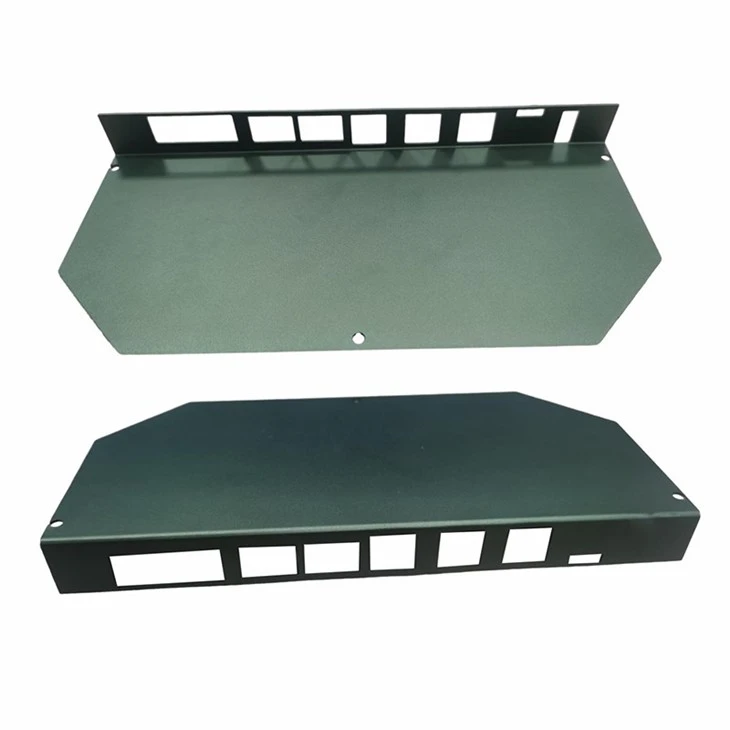

- Choose the Right Anodized Layer Thickness: Opt for a thinner anodized layer if you know you'll be bending the part. This will reduce the risk of cracking.
- Select the Appropriate Metal Alloy: Go for a more ductile aluminum alloy like 6061. This will give the part better flexibility during the bending process.
- Use the Correct Bending Radius: Make sure the bending radius is large enough to distribute the stress evenly. Consult with a professional if you're not sure what the ideal radius should be.
- Bend Slowly: Take your time when bending the part. This will help prevent sudden stress on the anodized layer.
Case Studies
Let me share a couple of real - life examples from my experience.
One of our clients came to us with a project where they needed to bend an anodized aluminum bracket. The part was made from 6061 aluminum with a relatively thin anodized layer. We recommended a bending radius of about 5 times the thickness of the part. The client followed our advice and was able to bend the part successfully without any visible cracks in the anodized layer. The finished product met their requirements, and they were very satisfied with the result.
On the other hand, another client tried to bend an anodized part with a thick anodized layer and a small bending radius. Despite our warnings, they went ahead with the bending process. As expected, the anodized layer cracked, and the part had to be re - anodized. This not only cost them more time but also additional money.
When Bending Isn't an Option
In some cases, bending an anodized part might not be a good idea at all. If the anodized layer is very thick and the part needs a sharp bend, it's almost impossible to bend it without damaging the coating. In such situations, it might be better to anodize the part after bending. This way, the anodized layer will be intact and won't be subjected to the stress of the bending process. You can learn more about CNC Machining Parts Anodizing and the different options available.
Conclusion
So, can anodized parts be bent? Yes, they can, but it's not always straightforward. You need to consider factors like the thickness of the anodized layer, the type of metal, and the bending process. By following the right guidelines and taking the necessary precautions, you can increase your chances of bending an anodized part successfully.
If you're in the market for anodized parts or have a project that involves bending anodized parts, don't hesitate to reach out. We're here to help you make the right decisions and ensure that your project is a success. Whether you need advice on anodizing thickness, metal selection, or the bending process, our team of experts is ready to assist you. Contact us to start a discussion about your procurement needs and let's work together to achieve the best results.
References
- ASM Handbook Volume 5: Surface Engineering.
- Aluminum Association Technical Papers on Anodizing and Aluminum Alloys.