

Hey there! As a supplier of CNC steel parts, I often get asked about the thermal conductivity of these parts. So, I thought I'd break it down for you in this blog post.
First off, let's talk about what thermal conductivity is. Simply put, thermal conductivity is a measure of a material's ability to conduct heat. It's like how well a road allows cars to move. A high - thermal conductivity means heat can move through the material quickly, while a low one means heat transfer is slower.
Now, when it comes to CNC steel parts, their thermal conductivity can vary quite a bit. Steel is an alloy, which means it's made up of iron and other elements like carbon, manganese, and sometimes even nickel and chromium. These elements can have a big impact on the thermal conductivity.
For example, carbon steel, which is one of the most common types of steel used in CNC machining, typically has a thermal conductivity in the range of about 45 - 55 W/(m·K). That's not too bad. It means heat can move through carbon steel at a decent rate. But why does this matter? Well, in many applications, heat management is crucial.
Let's say you're using CNC steel parts in an automotive engine. The engine generates a ton of heat, and if the parts can't conduct that heat away effectively, it can lead to overheating. Overheating can cause all sorts of problems, like reduced performance, increased wear and tear, and even engine failure. So, having parts with the right thermal conductivity is super important.
Another factor that affects the thermal conductivity of CNC steel parts is the machining process itself. CNC machining involves cutting, drilling, and shaping the steel. These processes can introduce stress and change the microstructure of the steel. And when the microstructure changes, the thermal conductivity can too. For instance, if the steel is heat - treated during the machining process, it can alter the arrangement of atoms in the material, which in turn can affect how heat moves through it.
Now, compared to other materials commonly used in CNC machining, steel has its own unique thermal conductivity characteristics. Take aluminum, for example. High Precision Aluminum Parts, you can check them out here, generally have a much higher thermal conductivity than steel. Aluminum can have a thermal conductivity of around 200 - 240 W/(m·K). That's a huge difference! Aluminum is great for applications where rapid heat dissipation is needed, like in electronic devices.
On the other hand, titanium. CNC Titanium Precision Parts, more info here, have a relatively low thermal conductivity compared to both steel and aluminum. Titanium usually has a thermal conductivity in the range of about 15 - 25 W/(m·K). This low thermal conductivity can be an advantage in some situations, like in aerospace applications where you want to insulate certain components from heat.
But steel strikes a nice balance. It's strong, durable, and has a thermal conductivity that makes it suitable for a wide range of applications. Whether you're making parts for machinery, construction, or even consumer products, CNC steel parts can handle the heat in many cases.
When it comes to choosing the right steel for your parts based on thermal conductivity, you also need to consider other properties. For example, corrosion resistance is important, especially if the parts will be exposed to moisture or chemicals. And strength is another key factor. You want parts that can withstand the forces they'll be subjected to.
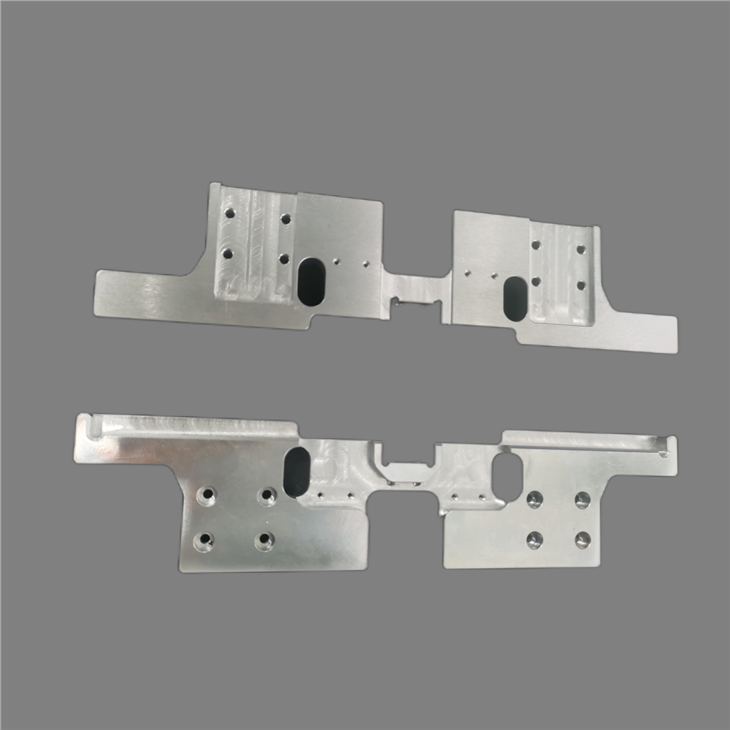
As a supplier of CNC Steel Parts, I understand the importance of getting all these properties right. That's why we work closely with our customers to understand their specific needs. We use advanced CNC machining techniques to ensure that the parts we produce have the optimal combination of thermal conductivity, strength, and other properties.
If you're in the market for CNC steel parts and you're concerned about thermal conductivity, don't hesitate to reach out. We have a team of experts who can help you choose the right steel, design the parts for maximum heat management, and ensure that the final product meets your exact requirements. Whether you're a small business looking for a few custom parts or a large corporation in need of mass production, we've got you covered.

In conclusion, the thermal conductivity of CNC steel parts is a complex but important topic. It's influenced by the type of steel, the machining process, and other factors. And understanding it is crucial for ensuring the performance and longevity of your products. So, if you have any questions or need help with your CNC steel part needs, just get in touch. Let's work together to find the best solutions for your projects.
References:
- "Materials Science and Engineering: An Introduction" by William D. Callister Jr. and David G. Rethwisch
- Various industry - specific research papers on thermal conductivity of metals in CNC machining applications