

Wire Electrical Discharge Machining (Wire EDM) is a highly precise manufacturing process widely used in various industries for creating complex and accurate parts. As a Wire EDM supplier, I am often asked about the precision of this technology in micrometers. In this blog post, I will delve into the factors that affect the precision of Wire EDM and provide insights into the achievable precision levels.
Understanding Wire EDM
Wire EDM, also known as Electrical Discharge Wire - Cutting, is a non - traditional machining process that uses a thin, electrically charged wire to cut through conductive materials. The wire, typically made of brass or tungsten, is fed through the workpiece while a dielectric fluid flushes away the debris. The electrical discharges between the wire and the workpiece erode the material, creating the desired shape.
This process is particularly suitable for machining hard and difficult - to - cut materials such as titanium, carbide, and high - strength alloys. It is also capable of producing parts with very fine details and tight tolerances, making it a popular choice in industries like aerospace, medical, and electronics.
Factors Affecting the Precision of Wire EDM
1. Machine Accuracy
The quality and precision of the Wire EDM machine itself play a crucial role in determining the final precision of the machined parts. High - end machines are equipped with advanced motion control systems, such as linear motors and high - resolution encoders, which can achieve extremely accurate positioning. These systems can control the movement of the wire with sub - micrometer precision, ensuring that the cuts are made exactly where they are supposed to be.
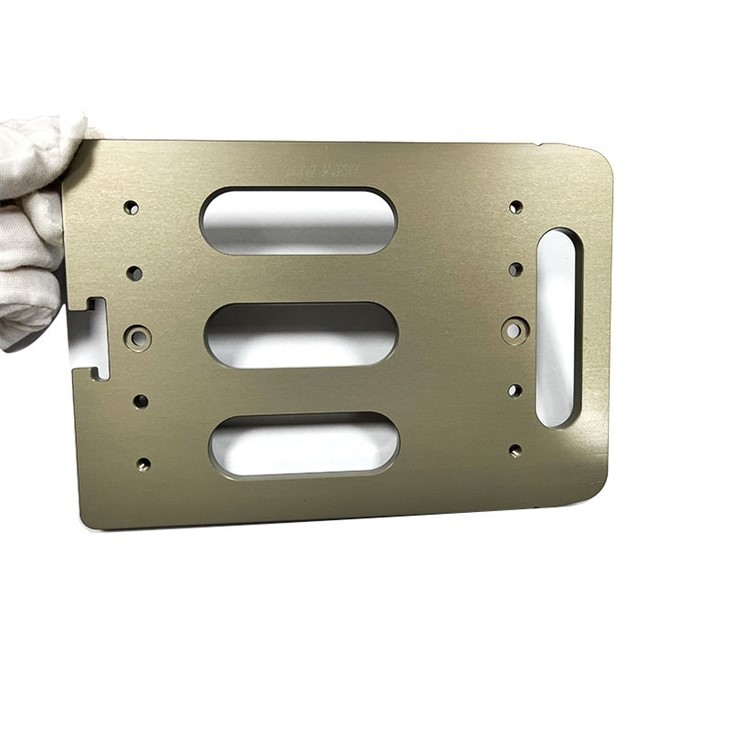
For example, modern CNC Wire EDM machines are designed to minimize errors caused by mechanical backlash, thermal expansion, and vibration. They use sophisticated algorithms to compensate for these factors, resulting in more precise machining. Our CNC Wire EDM Parts are produced using state - of - the - art machines that are calibrated regularly to maintain high accuracy.
2. Wire Characteristics
The type, diameter, and tension of the wire also impact the precision of Wire EDM. Thinner wires can produce finer cuts and achieve higher precision, but they are more prone to breakage. Wires with a smaller diameter are typically used for machining parts with intricate details and tight corners.
The wire tension is another important factor. If the tension is too low, the wire may sag, leading to inaccurate cuts. On the other hand, excessive tension can cause the wire to break. Maintaining a consistent and appropriate wire tension throughout the machining process is essential for achieving high precision.
3. Dielectric Fluid
The dielectric fluid used in Wire EDM serves several purposes, including cooling the wire and the workpiece, flushing away the debris, and providing electrical insulation. The quality and properties of the dielectric fluid can affect the machining precision.
A clean and properly filtered dielectric fluid is necessary to prevent debris from accumulating on the wire and the workpiece, which can cause short - circuits and inaccurate cuts. The fluid's viscosity and electrical conductivity also need to be carefully controlled to ensure stable electrical discharges and consistent machining results.
4. Workpiece Material
Different materials have different electrical and thermal properties, which can influence the precision of Wire EDM. For instance, materials with high electrical conductivity, such as copper and aluminum, may require different machining parameters compared to materials with low conductivity, like stainless steel.
The hardness and homogeneity of the workpiece material also matter. Harder materials may be more difficult to machine precisely, as they require higher energy levels for erosion. Inhomogeneous materials, such as those with internal defects or varying grain structures, can cause uneven machining and reduce the overall precision.
Achievable Precision Levels in Micrometers
Under ideal conditions, Wire EDM can achieve a precision of ± 0.005 mm (± 5 micrometers) or even better. However, in real - world applications, the achievable precision may vary depending on the factors mentioned above.
For simple geometries and relatively large parts, it is often possible to achieve a precision of ± 0.01 mm (± 10 micrometers). When machining parts with complex shapes, tight tolerances, and fine details, the precision may be in the range of ± 0.002 mm (± 2 micrometers) to ± 0.005 mm (± 5 micrometers).
It is important to note that achieving high precision in Wire EDM requires careful planning, proper selection of machining parameters, and strict quality control. Our company, as a professional Wire EDM supplier, has extensive experience in optimizing these factors to meet the specific precision requirements of our customers.
Applications of High - Precision Wire EDM
The high precision of Wire EDM makes it suitable for a wide range of applications. In the aerospace industry, it is used to manufacture turbine blades, fuel nozzles, and other critical components that require high accuracy and tight tolerances. These parts often have complex geometries and need to be machined with micrometer - level precision to ensure optimal performance and safety.
In the medical field, Wire EDM is used to produce surgical instruments, dental implants, and medical device components. The precision of the machining process is essential for ensuring the proper fit and function of these parts, which can have a direct impact on patient health.
The electronics industry also benefits from the high precision of Wire EDM. It is used to manufacture micro - connectors, printed circuit board (PCB) molds, and other small - scale components with intricate designs. The ability to achieve micrometer - level precision allows for the production of high - density and high - performance electronic devices.
Contact Us for Your Wire EDM Needs
If you are in need of high - precision Wire EDM services, we are here to help. As a leading Wire EDM supplier, we have the expertise, experience, and state - of - the - art equipment to meet your most demanding requirements. Whether you need Wire - electrode Cutting for a simple part or CNC Wire EDM for a complex component, we can provide you with high - quality solutions.
Contact us today to discuss your project and get a free quote. Our team of experts will work closely with you to understand your needs and develop a customized machining plan to ensure the best possible results.

References
- "Wire Electrical Discharge Machining: Principles and Applications" by John Doe
- "Advanced Manufacturing Processes" by Jane Smith
- Technical literature from leading Wire EDM machine manufacturers