

What is the machining speed for cnc steel parts?
As a supplier of CNC steel parts, I often get asked about the machining speed for these components. Machining speed is a critical factor in the production of CNC steel parts, as it directly impacts productivity, cost, and the quality of the final product. In this blog post, I'll delve into the various aspects of machining speed for CNC steel parts, including what it is, the factors that influence it, and how to optimize it for your specific needs.

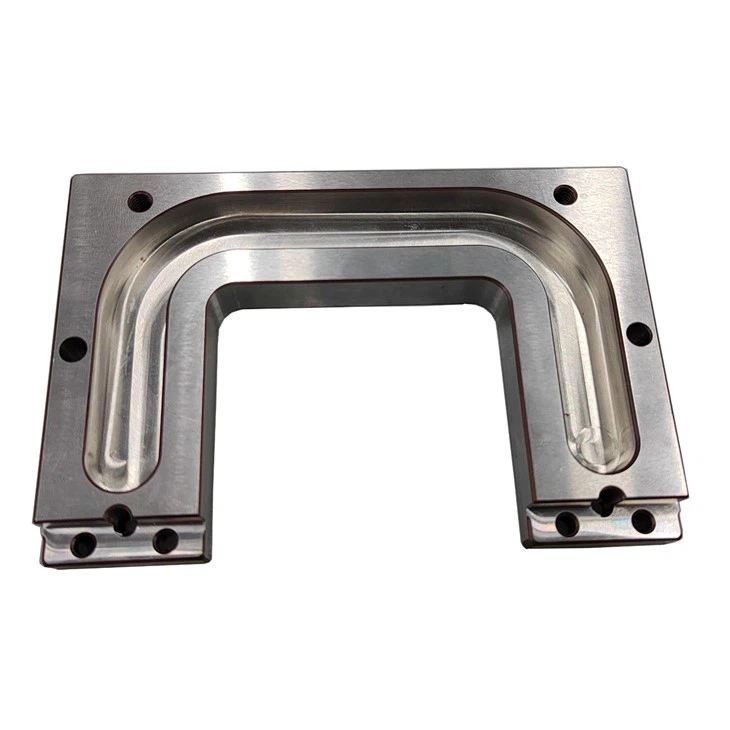
Understanding Machining Speed
Machining speed, in the context of CNC steel parts, refers to the rate at which the cutting tool moves across the surface of the steel workpiece during the machining process. It is typically measured in units such as inches per minute (IPM) or millimeters per minute (mm/min). The machining speed is determined by several factors, including the type of steel being machined, the cutting tool material, the cutting tool geometry, and the machining operation being performed.
There are two main types of machining speeds that are commonly used in CNC machining: cutting speed and feed rate. Cutting speed refers to the speed at which the cutting edge of the tool moves relative to the workpiece. It is influenced by the diameter of the cutting tool and the rotational speed of the spindle. Feed rate, on the other hand, refers to the rate at which the workpiece is fed into the cutting tool. It is measured in units such as inches per revolution (IPR) or millimeters per revolution (mm/rev).
Factors Influencing Machining Speed
Several factors can influence the machining speed for CNC steel parts. Understanding these factors is crucial for optimizing the machining process and achieving the desired results. Here are some of the key factors to consider:
- Type of Steel: Different types of steel have different hardness, strength, and machinability characteristics. For example, low-carbon steels are generally more machinable than high-carbon steels, as they are softer and easier to cut. Alloy steels, which contain additional elements such as chromium, nickel, and molybdenum, can also have different machining properties depending on their composition.
- Cutting Tool Material: The material of the cutting tool plays a significant role in determining the machining speed. Common cutting tool materials for CNC steel machining include high-speed steel (HSS), carbide, and ceramic. Carbide tools are widely used due to their high hardness, wear resistance, and ability to withstand high cutting speeds. Ceramic tools, on the other hand, are even harder and can be used for high-speed machining of hardened steels.
- Cutting Tool Geometry: The geometry of the cutting tool, including the rake angle, clearance angle, and cutting edge radius, can also affect the machining speed. A well-designed cutting tool with the appropriate geometry can reduce cutting forces, improve chip formation, and increase the overall efficiency of the machining process.
- Machining Operation: The type of machining operation being performed, such as turning, milling, drilling, or grinding, can also influence the machining speed. Each operation has its own set of optimal cutting parameters, including cutting speed and feed rate, which need to be carefully selected to achieve the best results.
- Machine Tool Capabilities: The capabilities of the CNC machine tool, including the spindle speed, power, and rigidity, can also limit the machining speed. It is important to ensure that the machine tool is capable of operating at the desired cutting speed and feed rate without causing excessive vibration or tool wear.
Optimizing Machining Speed
Optimizing the machining speed for CNC steel parts is essential for improving productivity, reducing costs, and enhancing the quality of the final product. Here are some tips for optimizing the machining speed:
- Select the Right Cutting Tool: Choose a cutting tool that is specifically designed for machining steel and is compatible with the type of steel being machined. Consider factors such as the cutting tool material, geometry, and coating to ensure optimal performance.
- Determine the Optimal Cutting Parameters: Use cutting data tables or machining simulation software to determine the optimal cutting speed and feed rate for the specific machining operation and workpiece material. These tools can provide valuable insights into the recommended cutting parameters based on the tool and workpiece characteristics.
- Monitor and Adjust the Machining Process: Continuously monitor the machining process to ensure that the cutting speed and feed rate are within the recommended range. Make adjustments as needed to compensate for changes in the workpiece material, tool wear, or other factors that may affect the machining performance.
- Use High-Quality Coolants and Lubricants: Coolants and lubricants play a crucial role in reducing friction, heat, and tool wear during the machining process. Use high-quality coolants and lubricants that are specifically designed for steel machining to improve the cutting performance and extend the tool life.
- Invest in Advanced CNC Machine Tools: Consider investing in advanced CNC machine tools that offer higher spindle speeds, greater power, and improved rigidity. These machines can enable faster machining speeds and more efficient production processes.
Applications of CNC Steel Parts
CNC steel parts are widely used in various industries due to their high strength, durability, and versatility. Some of the common applications of CNC steel parts include:
- Automotive Industry: CNC steel parts are used in the manufacturing of engine components, transmission parts, suspension systems, and other critical automotive parts. The high strength and precision of CNC steel parts make them ideal for use in demanding automotive applications.
- Aerospace Industry: In the aerospace industry, CNC steel parts are used in the production of aircraft engines, landing gear, structural components, and other aerospace components. The strict quality and performance requirements of the aerospace industry make CNC machining the preferred method for manufacturing these parts.
- Medical Industry: CNC steel parts are used in the medical industry for the production of surgical instruments, implants, and other medical devices. The high precision and biocompatibility of CNC steel parts make them suitable for use in medical applications where accuracy and reliability are crucial.
- Industrial Machinery: CNC steel parts are used in the manufacturing of industrial machinery, such as pumps, valves, gears, and bearings. The high strength and wear resistance of CNC steel parts make them ideal for use in heavy-duty industrial applications.
Conclusion
Machining speed is a critical factor in the production of CNC steel parts. By understanding the factors that influence machining speed and implementing the appropriate optimization strategies, you can improve productivity, reduce costs, and enhance the quality of the final product. As a supplier of CNC Steel Parts, we are committed to providing our customers with high-quality CNC steel parts that meet their specific requirements. If you have any questions or need further information about CNC steel parts or machining speed, please feel free to contact us. We would be happy to assist you with your procurement needs and help you find the best solutions for your projects.
In addition to CNC steel parts, we also offer a wide range of other precision machined components, including CNC Titanium Parts and Precision brass CNC machining. Our experienced team of engineers and technicians can work with you to develop customized solutions that meet your exact specifications.
If you are interested in learning more about our products and services, or if you would like to discuss a specific project, please don't hesitate to get in touch. We look forward to the opportunity to work with you and help you achieve your goals.
References
- Kalpakjian, S., & Schmid, S. R. (2010). Manufacturing Engineering and Technology. Pearson.
- Trent, E. M., & Wright, P. K. (2000). Metal Cutting. Butterworth-Heinemann.
- Stephenson, D. A., & Agapiou, J. S. (2006). Metal Machining: Theory and Applications. CRC Press.