

Hey there! I'm a supplier of CNC titanium parts, and I've been in this game for quite a while. Machining CNC titanium parts is no walk in the park. It comes with its own set of challenges and risks, but with the right safety precautions, you can make the process a whole lot smoother and safer. So, let's dive into what you need to know.
Understanding Titanium's Properties
First off, it's important to understand why titanium is such a unique material. Titanium is strong, lightweight, and corrosion-resistant, which makes it a top choice for a wide range of industries, from aerospace to medical. But these same properties also make it a bit of a handful when it comes to machining.
Titanium has a low thermal conductivity, which means that heat generated during machining tends to stay in the cutting area. This can lead to high temperatures, which in turn can cause tool wear, poor surface finish, and even damage to the part. Additionally, titanium is chemically reactive, especially at high temperatures, which can result in built-up edge on the cutting tools and other issues.
Personal Protective Equipment (PPE)
One of the most basic yet crucial safety measures is wearing the right PPE. When you're working with CNC titanium parts, you need to protect yourself from a variety of hazards.

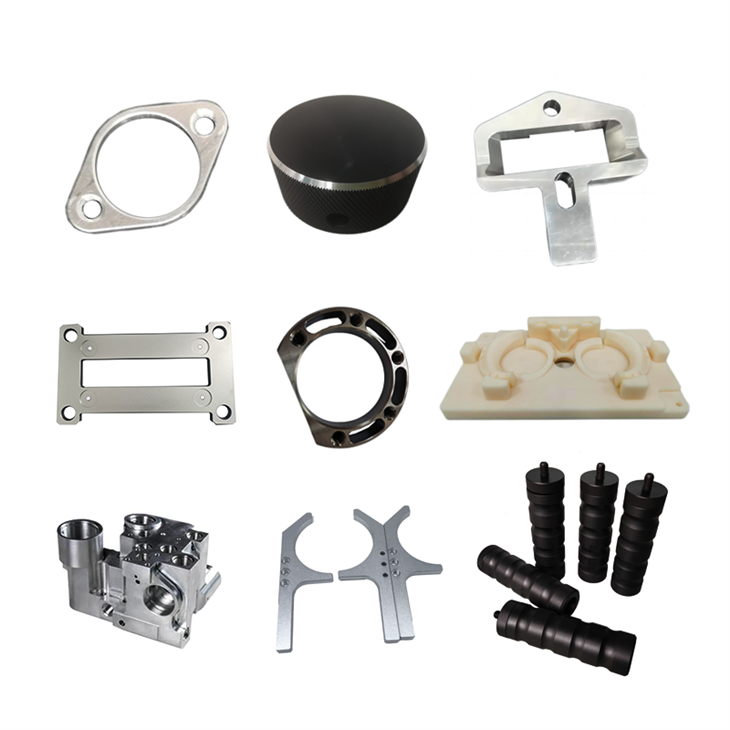
- Safety Glasses: These are a must. They protect your eyes from flying chips and debris that are generated during machining. Make sure they have side shields for full protection.
- Ear Protection: CNC machines can be pretty loud, especially when running at high speeds. Prolonged exposure to loud noise can cause hearing damage, so wearing earplugs or earmuffs is essential.
- Gloves: You need gloves that are cut-resistant and heat-resistant. Titanium chips can be sharp, and the high temperatures generated during machining can also pose a burn risk.
- Respirator: Titanium dust can be harmful if inhaled. A respirator with the appropriate filtration rating will help protect your lungs from these fine particles.
Machine Setup and Maintenance
Proper machine setup and regular maintenance are key to safe machining operations.
- Alignment: Make sure the CNC machine is properly aligned. Misaligned machines can cause uneven cutting forces, which can lead to tool breakage and poor part quality. Check the alignment of the axes regularly and make adjustments as needed.
- Tool Inspection: Before starting a machining operation, inspect the cutting tools for any signs of damage or wear. Dull or damaged tools can increase the risk of accidents and produce poor-quality parts. Replace tools as soon as they show signs of excessive wear.
- Lubrication and Cooling: Titanium generates a lot of heat during machining, so it's important to use the right lubrication and cooling methods. Coolants not only help reduce the temperature but also improve chip evacuation and extend tool life. Make sure the coolant system is working properly and that the coolant is at the correct concentration.
- Machine Guards: All CNC machines should be equipped with proper machine guards. These guards protect operators from moving parts, flying chips, and other hazards. Make sure the guards are in place and in good condition before starting the machine.
Programming and Operation
The way you program and operate the CNC machine can also have a big impact on safety.
- Proper Programming: Use the correct cutting parameters in your CNC program. This includes the right feed rate, spindle speed, and depth of cut. Incorrect parameters can cause excessive tool wear, overheating, and even machine damage. Take the time to optimize your programs for the specific titanium alloy you're working with.
- Operator Training: Make sure all operators are properly trained on the CNC machine and the specific machining processes involved. They should understand how to operate the machine safely, how to recognize potential hazards, and what to do in case of an emergency.
- Monitoring: During the machining process, keep a close eye on the machine and the part. Look for any signs of abnormal behavior, such as excessive vibration, unusual noises, or changes in the cutting forces. If you notice anything out of the ordinary, stop the machine immediately and investigate the cause.
Chip Management
Managing titanium chips is another important safety consideration. Titanium chips can be long, sharp, and hot, which makes them a potential hazard.
- Chip Conveyor: Use a chip conveyor to remove chips from the machining area as soon as possible. This helps prevent chips from accumulating and causing blockages or other issues.
- Chip Disposal: Dispose of titanium chips properly. They should be collected in a designated container and disposed of according to local regulations. Do not leave chips lying around on the shop floor, as they can pose a tripping hazard.
Fire Safety
Titanium is a combustible metal, especially in the form of fine chips or dust. This means that there is a risk of fire during machining operations.
- Fire Extinguishers: Make sure there are fire extinguishers nearby that are suitable for metal fires. Class D fire extinguishers are designed specifically for combustible metals like titanium.
- Cleanliness: Keep the machining area clean and free of debris. Remove any accumulated chips or dust regularly to reduce the risk of a fire starting.
- Ventilation: Good ventilation is essential to prevent the buildup of combustible dust in the air. Make sure the machining area is well-ventilated and that any dust collection systems are working properly.
Working with Other Materials
If you're also working with other materials in addition to titanium, such as brass or aluminum, it's important to take the appropriate safety precautions for those materials as well. For example, Precision brass CNC machining has its own set of challenges and safety requirements. Brass can produce fumes that are harmful if inhaled, so proper ventilation is crucial. Similarly, High Precision Aluminum Parts require careful handling due to the risk of aluminum dust explosions.
Emergency Preparedness
No matter how many safety precautions you take, accidents can still happen. That's why it's important to be prepared for emergencies.
- Emergency Stop Buttons: Make sure you know where the emergency stop buttons are located on the CNC machine and in the machining area. In case of an emergency, you should be able to quickly stop the machine.
- First Aid Kit: Have a well-stocked first aid kit nearby. Make sure all operators know how to use the first aid kit and what to do in case of an injury.
- Emergency Evacuation Plan: Develop an emergency evacuation plan for the machining area. Make sure all operators are familiar with the plan and know where the emergency exits are located.
Conclusion
Machining CNC titanium parts requires a combination of knowledge, skill, and safety awareness. By following these safety precautions, you can minimize the risks and ensure a safe and productive machining environment.
If you're in the market for high-quality CNC titanium parts, or if you have any questions about our machining processes or safety measures, don't hesitate to reach out. We're here to provide you with the best products and services, and we're always happy to have a chat about your specific needs. Whether you're looking for High Precision CNC Machining Device Parts or something else, we've got you covered. Let's work together to get your projects off the ground safely and successfully.
References
- ASM Handbook, Volume 16: Machining. ASM International.
- OSHA (Occupational Safety and Health Administration) regulations on machining operations.
- Machinery's Handbook, 31st Edition. Industrial Press.