

As a seasoned supplier of CNC machined parts, I've witnessed firsthand the pivotal role that well - maintained CNC machines play in producing high - quality components. In this blog, I'll delve into the maintenance requirements for CNC machines used to make parts, sharing insights that can help ensure the longevity and efficiency of these invaluable assets.
Regular Cleaning
One of the most fundamental maintenance tasks for CNC machines is regular cleaning. During the machining process, chips, coolant, and dust accumulate on the machine's surfaces, including the worktable, spindle, and tool holders. This debris can interfere with the machine's precision and cause premature wear of moving parts.
To clean the machine, start by removing loose chips using a brush or air gun. Pay special attention to areas where chips tend to collect, such as the corners of the worktable and the chip conveyor. Next, use a suitable cleaning solution to wipe down the surfaces. Avoid using abrasive cleaners that could scratch the machine's finish. For the spindle and tool holders, use a lint - free cloth and a specialized cleaner to remove coolant residue and prevent corrosion.
Lubrication
Proper lubrication is essential for the smooth operation of CNC machines. Moving parts, such as ball screws, linear guides, and spindles, rely on lubrication to reduce friction and wear. Insufficient lubrication can lead to increased heat generation, which can cause thermal expansion and affect the machine's accuracy.
Check the lubrication levels regularly according to the manufacturer's recommendations. Most CNC machines are equipped with automatic lubrication systems, but it's still important to monitor the oil levels and ensure that the lubricant is being distributed evenly. Use only the lubricants specified by the machine manufacturer to avoid compatibility issues. For example, some high - speed spindles require synthetic lubricants with specific viscosity ratings.
Tool Inspection and Replacement
The quality of the parts produced by a CNC machine is directly related to the condition of the cutting tools. Worn or damaged tools can result in poor surface finishes, dimensional inaccuracies, and even machine downtime. Therefore, regular tool inspection and replacement are crucial.
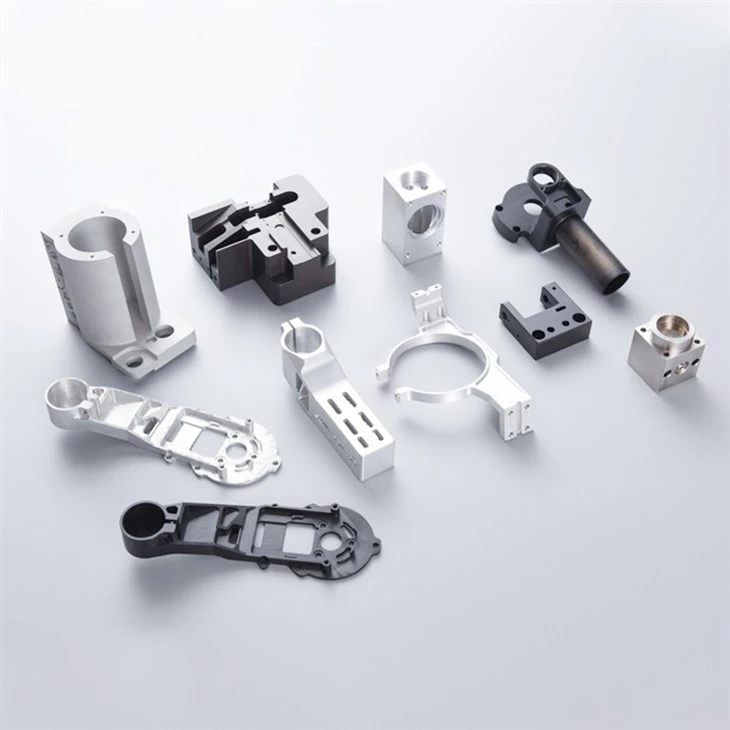

Inspect the cutting edges of the tools for signs of wear, such as chipping, dulling, or excessive flank wear. Use a tool microscope or other inspection equipment to accurately measure the tool's geometry. Replace tools that have reached their recommended tool life or show significant signs of damage. Additionally, ensure that the tools are properly installed and tightened in the tool holders to prevent vibration and tool breakage.
Calibration
Maintaining the accuracy of a CNC machine requires regular calibration. Over time, factors such as temperature changes, mechanical wear, and vibration can cause the machine's axes to drift out of alignment. This can lead to dimensional errors in the machined parts.
Calibrate the machine's axes using precision measurement tools, such as laser interferometers or ball bars. This process involves measuring the position and movement of the axes and making adjustments to correct any deviations. Calibration should be performed at regular intervals, as recommended by the machine manufacturer, or whenever there are signs of decreased accuracy, such as inconsistent part dimensions.
Electrical System Maintenance
The electrical system of a CNC machine is complex and critical for its operation. Loose connections, overheating components, and electrical shorts can cause malfunctions and even pose a safety hazard.
Inspect the electrical panels regularly for signs of damage, such as burnt wires or loose terminals. Tighten any loose connections and replace any damaged components. Check the cooling fans and ventilation systems in the electrical cabinets to ensure proper airflow and prevent overheating. Additionally, use surge protectors to safeguard the machine from power surges and electrical disturbances.
Software and Control System Updates
CNC machines rely on software and control systems to operate. These systems are constantly evolving, and manufacturers often release updates to improve performance, add new features, and fix bugs.
Keep the machine's software and control systems up - to - date by installing the latest updates provided by the manufacturer. Before installing an update, make sure to back up all the machine's programs and settings. Test the updated system thoroughly to ensure that it functions properly and that there are no compatibility issues with existing programs.
Operator Training
Even with the best maintenance procedures in place, the effectiveness of a CNC machine depends on the skills and knowledge of the operators. Proper operator training is essential for ensuring that the machine is used correctly and that maintenance tasks are carried out effectively.
Provide comprehensive training to operators on machine operation, safety procedures, and basic maintenance tasks. Train them to recognize early signs of machine problems, such as unusual noises or vibrations, and to take appropriate action. Encourage operators to report any issues promptly so that they can be addressed before they escalate into major problems.
Environmental Considerations
The environment in which a CNC machine operates can also have a significant impact on its performance and longevity. Factors such as temperature, humidity, and dust levels can affect the machine's accuracy and reliability.
Maintain a stable operating environment for the CNC machine. Keep the temperature and humidity within the recommended ranges specified by the manufacturer. Use air conditioning and dehumidifiers if necessary. Additionally, install dust collectors and filters to minimize the amount of dust and debris in the air. Avoid placing the machine near sources of vibration, such as heavy machinery or traffic areas.
Benefits of Proper Maintenance
Proper maintenance of CNC machines offers numerous benefits. Firstly, it ensures the consistent production of high - quality parts. By maintaining the machine's accuracy and reliability, you can reduce the number of defective parts and improve customer satisfaction. For instance, if you are producing CNC machining of plastic parts, well - maintained machines can guarantee the precise dimensions and smooth surface finishes required for these parts.
Secondly, regular maintenance extends the lifespan of the CNC machine. By reducing wear and tear on the components, you can avoid costly repairs and premature replacement of the machine. This can result in significant cost savings over the long term.
Finally, proper maintenance enhances the safety of the machine operators. A well - maintained machine is less likely to malfunction or cause accidents, reducing the risk of injuries in the workplace.
Conclusion
In conclusion, the maintenance requirements for CNC machines used to make parts are multifaceted and require a comprehensive approach. Regular cleaning, lubrication, tool inspection, calibration, electrical system maintenance, software updates, operator training, and environmental control are all essential aspects of keeping a CNC machine in optimal condition.
As a supplier of CNC Titanium Parts and High Precision Aluminum Parts, I understand the importance of maintaining our CNC machines to meet the high - quality standards of our customers. By following these maintenance guidelines, you can ensure the efficient operation of your CNC machines, produce high - quality parts, and gain a competitive edge in the market.
If you are interested in our CNC machined parts or have any questions about CNC machine maintenance, we welcome you to contact us for procurement discussions. We are committed to providing you with the best products and services.
References
- Manufacturer's manuals for CNC machines
- Industry standards and best practices for CNC machine maintenance
- Technical articles on CNC machining and machine maintenance