

Hey there! As a supplier of CNC machined parts, I often get asked about the food - grade requirements for these parts. It's a crucial topic, especially in industries like food processing, beverage production, and even the pharmaceutical sector where hygiene and safety are top priorities.
First off, let's understand what food - grade means. When we say a CNC machined part is food - grade, it means that the part meets specific standards and regulations that ensure it won't contaminate the food or beverage it comes into contact with. These standards are put in place by various regulatory bodies around the world, such as the Food and Drug Administration (FDA) in the United States and the European Union's food safety regulations.
Material Selection
One of the most important aspects of making food - grade CNC machined parts is the choice of materials. Not all metals and plastics are suitable for food contact.
Metals
- Stainless Steel: This is a go - to material for food - grade CNC machined parts. It's corrosion - resistant, easy to clean, and can withstand high - temperature sterilization processes. For example, in a food processing plant, stainless steel CNC machined parts are used in equipment like mixers, conveyors, and filling machines. You can check out our CNC Steel Parts for more details on the high - quality steel parts we offer.
- Aluminum: High - precision aluminum parts are also popular in the food industry. Aluminum is lightweight, has good thermal conductivity, and can be anodized to improve its corrosion resistance. Our High Precision Aluminum Parts are carefully crafted to meet food - grade standards. They are often used in applications where weight is a concern, like in some types of food packaging machinery.
- Titanium: Titanium is another excellent choice for food - grade parts. It's strong, lightweight, and highly resistant to corrosion. Our CNC Titanium Precision Parts are ideal for applications in harsh environments, such as in the seafood processing industry where saltwater corrosion can be a major issue.
Plastics
- Polyethylene (PE): PE is a common plastic used in food - grade applications. It's non - toxic, flexible, and has good chemical resistance. PE CNC machined parts can be found in food storage containers and some types of food handling equipment.
- Polypropylene (PP): PP is similar to PE but has a higher melting point, making it suitable for applications where higher temperatures are involved. It's often used in microwave - safe food containers and some types of food processing equipment.
Surface Finish
The surface finish of a CNC machined part is crucial for food - grade applications. A smooth surface is easier to clean and less likely to harbor bacteria.
- Polishing: Polishing the surface of a metal part can significantly reduce the risk of food particles and bacteria getting trapped. For example, in a dairy processing plant, polished stainless steel parts are used to ensure that milk and other dairy products don't stick to the equipment.
- Electropolishing: This is a more advanced surface treatment that can further improve the corrosion resistance and smoothness of a metal part. It's often used for parts that need to meet the strictest food - grade standards.
Machining Processes
The way we machine the parts also affects their food - grade suitability.
- Precision Machining: High - precision machining ensures that the parts fit together perfectly, leaving no gaps where food particles can accumulate. For example, in a food packaging machine, precise machining of the sealing components is essential to prevent food leakage and contamination.
- Deburring: Removing burrs from the edges of a machined part is crucial. Burrs can be a breeding ground for bacteria and can also cause damage to food products. We take extra care during the deburring process to ensure that our parts are safe for food contact.
Certification and Testing
To prove that our CNC machined parts meet food - grade requirements, we undergo rigorous certification and testing processes.
- FDA Compliance: Our parts are designed and manufactured to comply with FDA regulations. This includes using approved materials, following proper manufacturing processes, and ensuring that the parts are safe for long - term food contact.
- Third - Party Testing: We also work with independent third - party testing laboratories to verify the food - grade quality of our parts. These tests can include chemical analysis, microbiological testing, and performance testing under various food - contact conditions.
Storage and Handling
Even after the parts are machined and tested, proper storage and handling are important to maintain their food - grade quality.
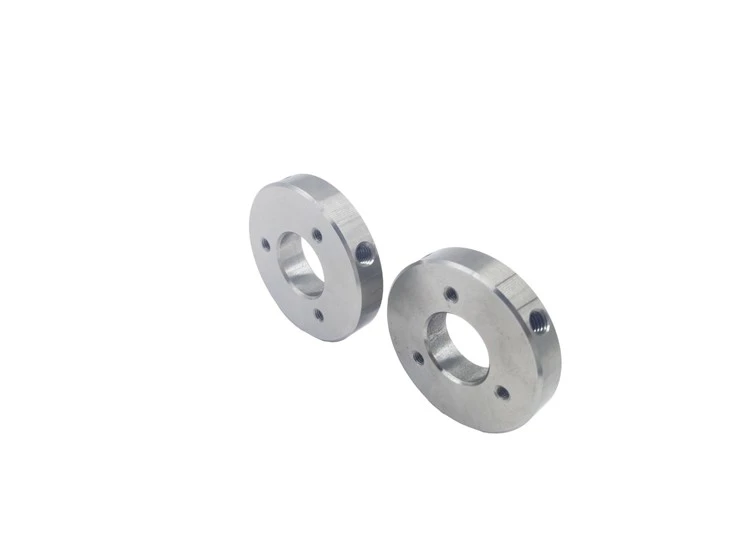
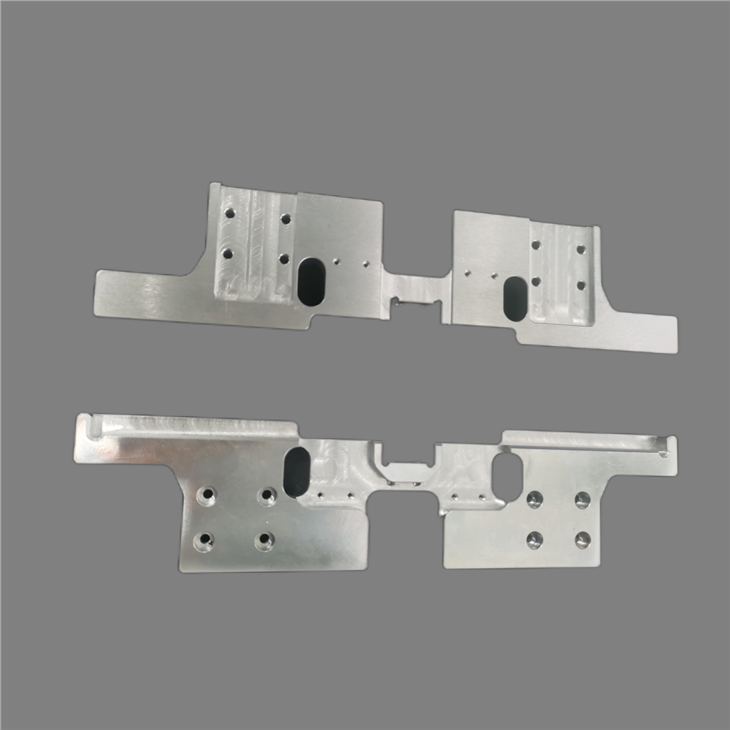
- Clean Storage Environment: Our parts are stored in a clean, dry environment to prevent contamination. We use special packaging materials to protect the parts during transportation and storage.
- Handling Procedures: Our employees are trained to follow strict handling procedures when dealing with food - grade parts. This includes wearing gloves, using clean tools, and avoiding contact with contaminants.
If you're in the market for high - quality food - grade CNC machined parts, we'd love to hear from you. Whether you're in the food processing, beverage, or pharmaceutical industry, we have the expertise and the products to meet your needs. Contact us today to start a conversation about your specific requirements and let's work together to find the best solutions for your business.
References
- Food and Drug Administration (FDA). "Food Contact Substances Notification Program."
- European Union. "Regulation (EC) No 1935/2004 on Materials and Articles Intended to Come into Contact with Food."
- American Society for Testing and Materials (ASTM). Various standards related to materials and testing for food - grade applications.