

Hey there! As a supplier of CNC titanium parts, I've been thinking a lot about the environmental impacts of what we do. In this blog, I'll dive into the ins and outs of producing these parts and how it affects our planet.
The Basics of CNC Titanium Parts Production
First off, let's talk about what CNC (Computer Numerical Control) machining is. It's a manufacturing process where pre-programmed computer software dictates the movement of factory tools and machinery. When it comes to titanium, it's a super strong and lightweight metal that's used in a ton of industries, from aerospace to Jewelry Accessories CNC Machining.

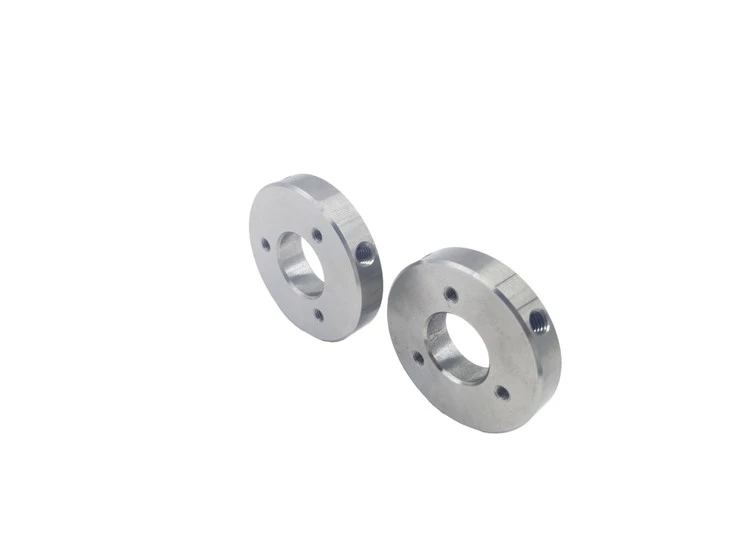
The production of CNC titanium parts starts with raw titanium. Titanium ore is mined from the earth, and this mining process has some serious environmental implications. Titanium is usually found in deposits of ilmenite and rutile. Mining these ores often involves large - scale excavation, which can lead to deforestation and habitat destruction. Trees are cut down to make way for mining equipment, and this disrupts the natural ecosystem. Animals lose their homes, and the balance of the local environment is thrown off.
Energy Consumption
One of the biggest environmental impacts of producing CNC titanium parts is energy consumption. CNC machines are power - hungry beasts. They need a lot of electricity to run the motors that control the cutting tools, move the workpiece, and keep the whole system running smoothly.
Most of the world's electricity still comes from non - renewable sources like coal, oil, and natural gas. When we use a lot of electricity to produce titanium parts, we're indirectly contributing to greenhouse gas emissions. Burning fossil fuels releases carbon dioxide and other pollutants into the atmosphere, which is a major cause of global warming.
Moreover, the process of melting and refining titanium requires extremely high temperatures. Specialized furnaces are used, and these consume a massive amount of energy. This energy - intensive nature of titanium production means that we're putting a significant strain on the environment.
Waste Generation
Another issue is waste generation. During the CNC machining process, a lot of scrap metal is produced. When cutting and shaping the titanium workpiece, small chips of titanium are removed from the original piece. This scrap metal can't always be reused immediately. Sometimes, it's contaminated with coolant or other substances used in the machining process.
Disposing of this scrap metal can be a challenge. If not managed properly, it can end up in landfills. Titanium is a valuable metal, but recycling it isn't always straightforward. It requires additional processing to remove impurities and make it suitable for reuse. And the recycling process itself also consumes energy.
In addition to metal waste, there are other types of waste generated. Coolants and lubricants are used in CNC machining to keep the cutting tools cool and reduce friction. These fluids can become contaminated over time and need to be replaced. Disposing of these used coolants is a problem because they often contain chemicals that can be harmful to the environment if released into water sources or soil.
Chemical Usage
Chemicals play a big role in titanium production. For example, in the refining process, chemicals are used to extract pure titanium from the ore. These chemicals can be toxic and pose a risk to the environment if they leak or are not properly disposed of.
During the surface treatment of CNC titanium parts, chemicals are also used. Processes like anodizing or passivation require the use of acids and other chemicals. If these chemicals are not handled correctly, they can contaminate water supplies. They can kill aquatic life and make water unfit for human consumption.
Water Pollution
The CNC machining process also has an impact on water quality. As mentioned earlier, coolants and lubricants are used, and these can end up in water sources if not properly managed. Additionally, the washing and cleaning steps in the production process use water. This water can pick up metal particles, chemicals, and other contaminants.
If this contaminated water is released into rivers, lakes, or the ocean without proper treatment, it can cause serious water pollution. It can harm fish, plants, and other aquatic organisms. And it can also affect the quality of drinking water for nearby communities.
Our Efforts as a Supplier
As a supplier of CNC Titanium Precision Parts, we're aware of these environmental impacts, and we're taking steps to reduce them. We're constantly looking for ways to improve the energy efficiency of our CNC machines. We're investing in newer models that are designed to use less power without sacrificing performance.
We're also working on better waste management strategies. We're trying to recycle as much scrap metal as possible. We have partnerships with recycling facilities that can process our titanium scrap and turn it back into usable material. And we're being more careful with the use and disposal of coolants and lubricants. We're using more environmentally friendly alternatives and making sure that any waste fluids are treated properly before disposal.
Comparing with Other Materials
It's worth comparing the environmental impacts of producing CNC titanium parts with other materials, like aluminum. Aluminum is also widely used in CNC machining, and you can check out High Precision Aluminum Parts. Aluminum is generally easier to recycle than titanium. The recycling process for aluminum requires less energy compared to titanium recycling.
However, aluminum mining also has its own environmental issues. Bauxite mining, which is the main source of aluminum, can cause soil erosion and water pollution. But overall, the energy consumption during the production of aluminum parts is often lower than that of titanium parts.
The Future of Sustainable Titanium Production
The future of producing CNC titanium parts lies in sustainable practices. We need to find ways to reduce our energy consumption, minimize waste, and use more environmentally friendly processes. Research is being done on new technologies that can make titanium production more energy - efficient. For example, some companies are exploring the use of renewable energy sources like solar and wind power to run their CNC machines and furnaces.
There's also work being done on developing more efficient recycling methods for titanium. If we can recycle titanium more easily and with less energy, it will significantly reduce the environmental impact of production.
Why Choose Us?
Despite the environmental challenges, we're committed to providing high - quality CNC titanium parts. We understand the importance of balancing our business needs with environmental responsibility. We're constantly striving to improve our processes and reduce our environmental footprint.
If you're in the market for CNC titanium parts, we'd love to talk to you. We can offer you parts that are made with the highest level of precision, while also being conscious of the environment. Whether you need parts for aerospace, jewelry, or any other industry, we've got you covered.
Contact us to start a conversation about your specific requirements. We're here to work with you to find the best solutions for your projects.
References
- "Titanium: Technology, Applications, and Environmental Impact" - A research paper on the overall aspects of titanium production.
- "Environmental Impacts of Metal Mining and Processing" - A report that details the general environmental issues related to metal production.
- "Energy Efficiency in CNC Machining" - A study on how to reduce energy consumption in CNC manufacturing processes.