

As a supplier of CNC custom parts, I've witnessed firsthand the growing importance of sustainability in the manufacturing industry. With the increasing demand for environmentally friendly practices, improving the recyclability of CNC custom parts has become a crucial aspect of our business. In this blog post, I'll share some strategies and insights on how we can enhance the recyclability of these parts, ensuring a more sustainable future for both our industry and the planet.
Understanding the Basics of CNC Custom Parts Recycling
Before delving into the strategies for improving recyclability, it's essential to understand the basics of CNC custom parts recycling. CNC (Computer Numerical Control) machining is a manufacturing process that uses pre-programmed computer software to control the movement of factory tools and machinery. This process allows for the creation of highly precise and complex parts from a variety of materials, including metals, plastics, and composites.
Recycling CNC custom parts involves collecting, sorting, and processing these parts to recover valuable materials. The recyclability of a part depends on several factors, including the material it's made of, its design, and the manufacturing process used. For example, parts made from easily recyclable materials like aluminum and steel are generally more recyclable than those made from complex composites or plastics with additives.
Choosing Recyclable Materials
One of the most effective ways to improve the recyclability of CNC custom parts is to choose recyclable materials from the start. When selecting materials for a project, consider the following factors:
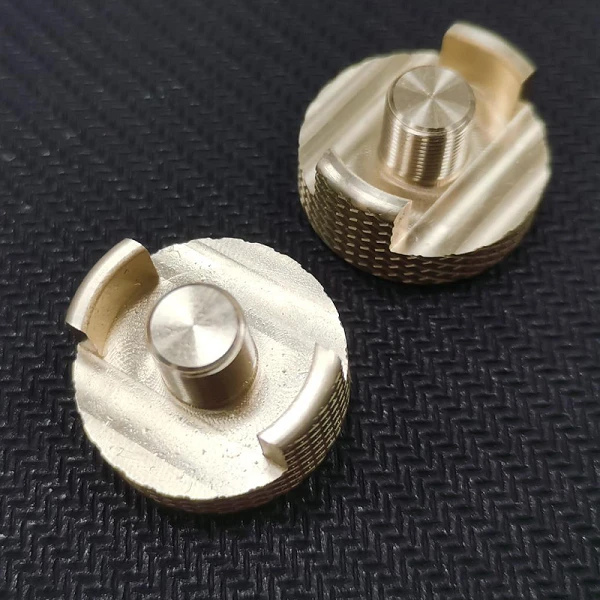
- Material Type: Opt for materials that are widely recycled and have established recycling infrastructure. Metals such as aluminum, steel, and brass are excellent choices, as they can be easily melted down and reused. For example, High Precision CNC Brass Parts are not only known for their high precision but also for their recyclability. Brass is a copper-zinc alloy that can be recycled repeatedly without losing its properties.
- Material Purity: Choose materials with high purity levels to simplify the recycling process. Impurities in materials can make it more difficult to separate and recover valuable components during recycling.
- Material Compatibility: Ensure that the materials used in a part are compatible with each other to facilitate recycling. Avoid using materials that are difficult to separate or that may react with each other during the recycling process.
Designing for Recyclability
In addition to choosing recyclable materials, designing parts with recyclability in mind is crucial. Here are some design principles to consider:
- Simplify Design: Keep the design of the part as simple as possible to reduce the number of components and joints. Complex designs can make it more difficult to disassemble and recycle the part.
- Use Standardized Components: Incorporate standardized components and fasteners in the design to make it easier to disassemble and replace parts. This not only improves recyclability but also reduces maintenance costs.
- Avoid Permanent Joining Methods: Instead of using permanent joining methods such as welding or gluing, opt for mechanical fasteners like screws, bolts, and nuts. These fasteners can be easily removed, allowing for the separation of different materials during recycling.
- Label Materials: Clearly label the materials used in the part to facilitate sorting and recycling. This can be especially helpful for parts made from multiple materials.
Implementing Sustainable Manufacturing Practices
Sustainable manufacturing practices can also play a significant role in improving the recyclability of CNC custom parts. Here are some practices to consider:
- Reduce Waste: Minimize waste generation during the manufacturing process by optimizing cutting paths, using nesting software to maximize material utilization, and recycling scrap materials.
- Use Recycling-Friendly Processes: Choose manufacturing processes that are compatible with recycling. For example, machining processes that produce chips and swarf can be easily recycled, while processes that generate large amounts of dust or waste may require additional treatment.
- Implement a Closed-Loop System: Establish a closed-loop system where scrap materials from the manufacturing process are collected, recycled, and reused in the production of new parts. This not only reduces waste but also conserves resources.
Educating Customers and Partners
Educating customers and partners about the importance of recyclability is essential for promoting sustainable practices in the industry. Here are some ways to do this:
- Provide Information: Offer customers information about the recyclability of your CNC custom parts and the steps you're taking to improve sustainability. This can include providing material data sheets, recycling guides, and information about your recycling policies.
- Encourage Recycling: Encourage customers to recycle their used parts by providing recycling bins or partnering with local recycling facilities. You can also offer incentives for customers who return their used parts for recycling.
- Collaborate with Partners: Collaborate with suppliers, manufacturers, and other partners in the supply chain to promote sustainable practices and improve the recyclability of CNC custom parts. This can include sharing best practices, developing recycling programs, and working together to design more sustainable products.
Working with Recycling Facilities
Establishing partnerships with reliable recycling facilities is crucial for ensuring the proper recycling of CNC custom parts. Here are some steps to take when working with recycling facilities:

- Research Recycling Facilities: Identify recycling facilities that specialize in the materials used in your CNC custom parts. Look for facilities that have a good reputation, are certified by relevant organizations, and use environmentally friendly recycling processes.
- Understand Recycling Requirements: Familiarize yourself with the recycling requirements of the facilities you're working with. This may include requirements for material preparation, sorting, and packaging.
- Establish a Recycling Agreement: Work with the recycling facilities to establish a recycling agreement that outlines the terms and conditions of the partnership. This agreement should include details such as the types of materials to be recycled, the quantity of materials to be collected, the recycling process to be used, and the payment terms.
Continuous Improvement
Improving the recyclability of CNC custom parts is an ongoing process that requires continuous improvement. Here are some ways to ensure continuous improvement:
- Monitor and Evaluate Performance: Regularly monitor and evaluate the recyclability of your CNC custom parts and the effectiveness of your recycling programs. Use key performance indicators (KPIs) such as recycling rate, waste reduction, and material utilization to measure your progress.
- Seek Feedback: Solicit feedback from customers, partners, and employees on your recycling efforts. Use this feedback to identify areas for improvement and make necessary adjustments to your processes and practices.
- Stay Up-to-Date with Industry Trends: Keep abreast of the latest trends and developments in the field of recycling and sustainable manufacturing. Attend industry conferences, workshops, and training programs to learn about new technologies, materials, and best practices.
Conclusion
Improving the recyclability of CNC custom parts is not only good for the environment but also makes good business sense. By choosing recyclable materials, designing for recyclability, implementing sustainable manufacturing practices, educating customers and partners, working with recycling facilities, and continuously improving our processes, we can reduce waste, conserve resources, and create a more sustainable future for our industry.
If you're interested in learning more about our CNC custom parts or discussing how we can work together to improve the recyclability of your projects, please don't hesitate to contact us. We're committed to providing high-quality, sustainable CNC custom parts and look forward to partnering with you.
References
- "Sustainable Manufacturing: An Introduction." National Institute of Standards and Technology.
- "Design for Recycling: A Guide for Manufacturers." Environmental Protection Agency.
- "Recycling of Metals: A Review." Journal of Cleaner Production.