

Ensuring the consistency of CNC custom parts from batch to batch is a critical aspect of our operations as a CNC custom parts supplier. In the highly competitive manufacturing industry, consistency is not just a desirable trait; it is a necessity for building trust with our customers, meeting their specifications, and maintaining high - quality standards. In this blog, I will share the strategies and practices we implement to achieve this consistency.
1. Advanced Equipment and Technology
One of the fundamental factors in ensuring batch - to - batch consistency is the use of advanced CNC machining equipment. Our state - of - the - art machines are equipped with high - precision components and the latest control systems. These machines are capable of performing complex machining operations with extremely high accuracy. For example, our multi - axis CNC milling machines can precisely shape materials from different angles, ensuring that each part in a batch has the same geometric features.

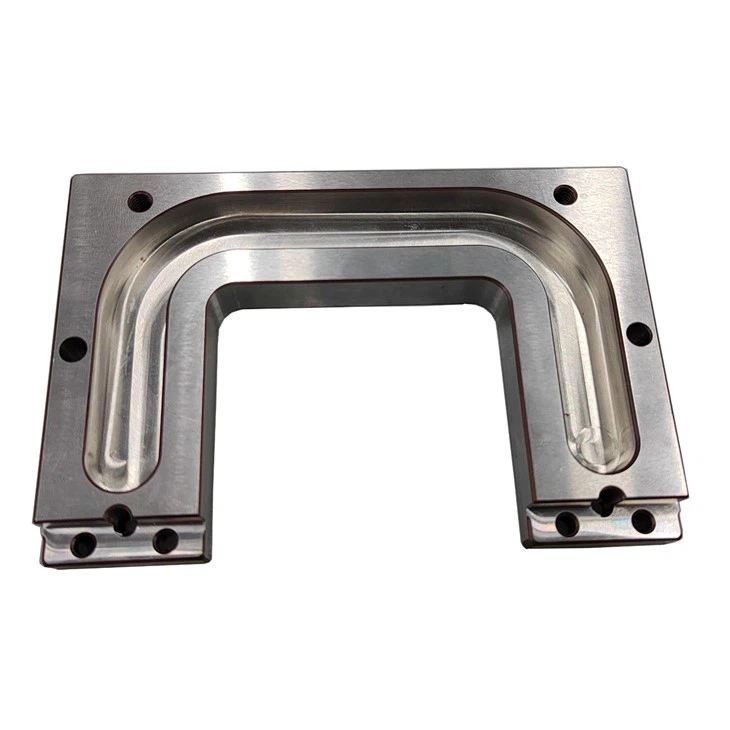
Moreover, we regularly invest in upgrading our equipment to keep up with the latest technological advancements. Newer machines often come with improved software that can better manage the machining process, reducing errors and variations. By using advanced technology, we can achieve tighter tolerances and better surface finishes across all batches of CNC Titanium Precision Parts.
2. Rigorous Material Selection and Inspection
The quality of the raw materials used in CNC machining has a direct impact on the consistency of the final parts. We have a strict material selection process in place. We source our materials from reliable suppliers who can provide consistent quality. For instance, when manufacturing Precision brass CNC machining, we carefully choose brass alloys with the right chemical composition and mechanical properties.
Before the machining process begins, every batch of raw materials undergoes a comprehensive inspection. We use various testing methods, such as chemical analysis, hardness testing, and dimensional inspection, to ensure that the materials meet our quality standards. Any materials that do not meet the requirements are rejected immediately. This way, we can start the machining process with a consistent base, which is essential for producing consistent parts.
3. Standardized Machining Processes
To achieve batch - to - batch consistency, we have developed standardized machining processes. Each step of the CNC machining process, from programming to tool selection and cutting parameters, is carefully defined and documented. Our experienced engineers create detailed machining plans for each type of part, specifying the exact sequence of operations, the tools to be used, and the optimal cutting speeds and feeds.
These standardized processes are then shared with our machining operators. Before starting a new batch, operators are trained to follow these processes precisely. This reduces the variability that can be introduced by individual operators. By having a consistent approach to machining, we can ensure that each part in a batch is produced in the same way, resulting in consistent dimensions, surface finishes, and overall quality.
4. In - Process Quality Control
Quality control is not just a final step in our manufacturing process; it is integrated throughout the entire production cycle. We use in - process inspection techniques to monitor the quality of parts at various stages of machining. For example, we use coordinate measuring machines (CMMs) to measure the dimensions of parts during the machining process. This allows us to detect any deviations from the specifications early on and make adjustments to the machining process immediately.
We also conduct visual inspections at regular intervals to check for surface defects, such as scratches or burrs. By catching and correcting issues in real - time, we can prevent the production of non - conforming parts and ensure that all parts in a batch meet the required quality standards.
5. Tool Management
The condition of cutting tools plays a crucial role in the consistency of CNC machining. Worn - out or damaged tools can lead to variations in part dimensions and surface finishes. To address this, we have a comprehensive tool management system in place.
We regularly monitor the wear of cutting tools and replace them at the appropriate time. Our operators are trained to recognize the signs of tool wear, such as changes in cutting forces or surface finish quality. We also keep a detailed inventory of tools, ensuring that we always have the right tools available for each machining operation. By maintaining the quality of our cutting tools, we can ensure that the machining process remains consistent across all batches of CNC Steel Parts.
6. Employee Training and Skill Development
Our employees are the backbone of our manufacturing operations. To ensure batch - to - batch consistency, we invest heavily in their training and skill development. New employees undergo comprehensive on - the - job training, where they learn about our machining processes, quality control procedures, and safety regulations.
We also provide regular refresher courses for our experienced employees to keep them updated on the latest industry trends and technologies. By having a highly skilled and knowledgeable workforce, we can ensure that every machining operation is carried out with precision and consistency.
7. Data Collection and Analysis
We collect a vast amount of data during the manufacturing process, including machining parameters, inspection results, and tool performance. This data is then analyzed using advanced statistical methods. By analyzing this data, we can identify trends, patterns, and potential sources of variation.
For example, if we notice that a particular machining parameter is causing a slight variation in part dimensions, we can adjust the parameter to improve consistency. Data analysis also helps us in continuous improvement. We can use the insights gained from data analysis to optimize our machining processes, reduce waste, and improve overall quality.
8. Continuous Improvement
Consistency is not a static goal; it is an ongoing process of improvement. We regularly review our manufacturing processes, quality control measures, and employee performance to identify areas for improvement. We encourage our employees to suggest ideas for enhancing consistency and efficiency.
We also benchmark our performance against industry best practices and our competitors. By continuously striving for improvement, we can ensure that our ability to produce consistent CNC custom parts from batch to batch continues to evolve and improve over time.
Conclusion
Ensuring the consistency of CNC custom parts from batch to batch is a complex but achievable goal. By implementing advanced equipment and technology, rigorous material selection and inspection, standardized machining processes, in - process quality control, tool management, employee training, data collection and analysis, and continuous improvement, we can provide our customers with high - quality, consistent parts.
If you are in need of CNC custom parts and are looking for a reliable supplier who can guarantee batch - to - batch consistency, we would be delighted to have a conversation with you. Contact us to discuss your specific requirements and start a procurement process that meets your quality expectations.
References
- Groover, M. P. (2010). Fundamentals of Modern Manufacturing: Materials, Processes, and Systems. Wiley.
- Dornfeld, D. A., Min, S., & Takeuchi, Y. (2007). Handbook of Machining with Cutting Tools. CRC Press.
- ASME Y14.5 - 2009. Dimensioning and Tolerancing. American Society of Mechanical Engineers.