

As a seasoned wire EDM supplier, I'm often confronted with a pivotal question from clients: Can wire EDM cut parts with sharp corners? This query isn't just a simple yes-or-no matter; it delves into the intricacies of wire EDM technology, its capabilities, and its limitations. In this blog, I'll explore this topic in depth, offering insights based on years of experience in the field.
Understanding Wire EDM Technology
Before we address the question of sharp corners, it's essential to understand what wire EDM is. Wire EDM, or Electrical Discharge Wire - Cutting [/more/wire-edm/electrical-discharge-wire-cutting.html], is a machining process that uses a thin, electrically charged wire to cut through metal. The wire, typically made of brass or copper, acts as an electrode, and as it approaches the workpiece, an electrical discharge occurs, melting and vaporizing the metal. This process is highly precise and can be used to create complex shapes and intricate designs.

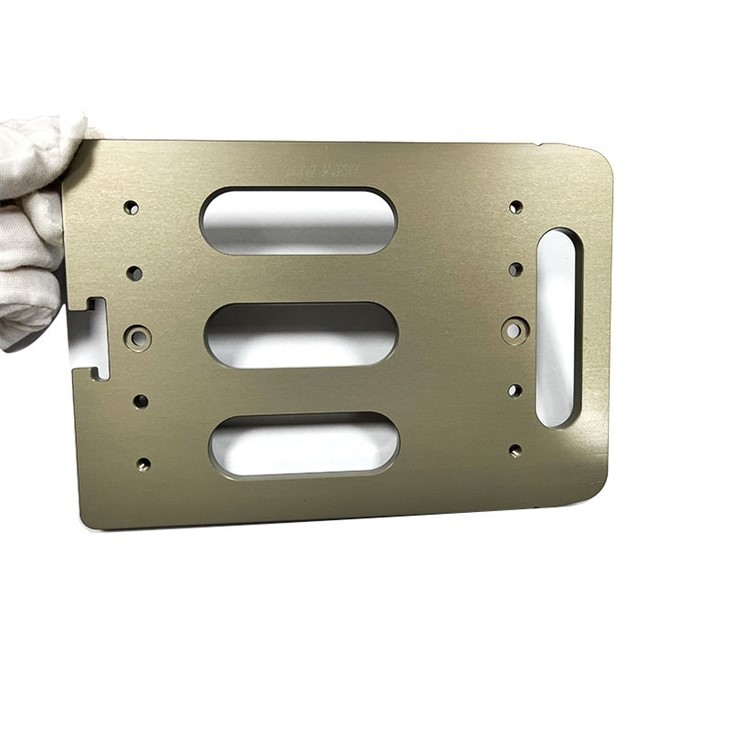
One of the key advantages of wire EDM is its ability to cut through hard materials that are difficult to machine using conventional methods. It's also known for its high accuracy and repeatability, making it a popular choice for industries such as aerospace, automotive, and medical device manufacturing.
The Challenge of Sharp Corners
When it comes to cutting parts with sharp corners, wire EDM faces some inherent challenges. The primary issue is the nature of the cutting process itself. As the wire moves through the workpiece, it creates a small gap, known as the kerf. This kerf is determined by the diameter of the wire and the electrical parameters used during the cutting process.
In a perfect world, the wire would be able to cut a perfectly sharp corner, but in reality, the kerf creates a radius at the corner. This radius is known as the corner radius, and it's a result of the wire's inability to make an instantaneous change in direction. The size of the corner radius depends on several factors, including the wire diameter, the cutting speed, and the material being cut.
Factors Affecting Corner Radius
- Wire Diameter: The smaller the wire diameter, the smaller the corner radius. However, using a smaller wire also has its limitations. Thinner wires are more prone to breakage, and they may not be able to handle the same cutting forces as thicker wires. As a wire EDM supplier, we offer a range of wire diameters to suit different applications, and we can help our clients choose the right wire for their specific needs.
- Cutting Speed: The cutting speed also plays a role in determining the corner radius. Faster cutting speeds can result in larger corner radii, as the wire has less time to make a smooth transition at the corner. By adjusting the cutting speed, we can optimize the corner radius for a given application.
- Material Properties: Different materials have different electrical and thermal properties, which can affect the cutting process. For example, materials with high electrical conductivity may require different cutting parameters than materials with low conductivity. As a supplier, we have extensive experience working with a variety of materials, and we can provide our clients with the expertise they need to achieve the best results.
Strategies for Cutting Sharp Corners
While it's not possible to cut a perfectly sharp corner with wire EDM, there are several strategies that can be used to minimize the corner radius and achieve a more precise cut.
- Using a Smaller Wire Diameter: As mentioned earlier, using a smaller wire diameter can help reduce the corner radius. However, it's important to balance the benefits of a smaller corner radius with the potential drawbacks of using a thinner wire.
- Optimizing Cutting Parameters: By adjusting the cutting speed, pulse duration, and other electrical parameters, we can optimize the cutting process to achieve a smaller corner radius. Our team of experts has extensive experience in fine-tuning these parameters to achieve the best results for our clients.
- Post-Processing: In some cases, post-processing techniques such as grinding or polishing can be used to further reduce the corner radius. These techniques can be used to remove any remaining burrs or imperfections and achieve a smoother finish.
Real-World Applications
Despite the challenges of cutting sharp corners, wire EDM is still a viable option for many applications that require high precision and complex shapes. For example, in the aerospace industry, wire EDM is used to manufacture turbine blades and other components with tight tolerances and sharp corners. In the medical device industry, wire EDM is used to create intricate surgical instruments and implants.
At our company, we have a proven track record of delivering high-quality wire EDM parts for a wide range of applications. Our state-of-the-art equipment and experienced team of technicians allow us to achieve the highest levels of accuracy and precision, even when cutting parts with sharp corners.
Conclusion
In conclusion, while wire EDM cannot cut a perfectly sharp corner, it can achieve a very small corner radius with the right combination of wire diameter, cutting parameters, and post-processing techniques. As a wire EDM supplier, we have the expertise and experience to help our clients overcome the challenges of cutting sharp corners and achieve the best results for their applications.
If you're looking for high-quality CNC Wire EDM Parts [/more/wire-edm/cnc-wire-edm-parts.html] or need more information about our wire EDM services, we encourage you to contact us. Our team of experts is ready to discuss your specific requirements and provide you with a customized solution. Whether you're working on a small prototype or a large production run, we have the capabilities and resources to meet your needs.
References
- "Wire-Electrode Cutting Technology" - A comprehensive guide to wire EDM technology and its applications.
- "Advanced Machining Processes" - A textbook that covers the principles and applications of various machining processes, including wire EDM.
- Industry reports and case studies on the use of wire EDM in different industries.