

Can wire EDM cut parts with internal cavities?
As a wire EDM supplier, I often encounter inquiries from customers regarding the capabilities of wire EDM technology, especially when it comes to cutting parts with internal cavities. In this blog post, I will delve into this topic, exploring the feasibility, processes, and considerations associated with using wire EDM to cut parts featuring internal cavities.
Understanding Wire EDM
Wire EDM, also known as Wire - electrode Cutting Wire - electrode Cutting or Electrical Discharge Wire - Cutting Electrical Discharge Wire - Cutting, is a precision machining process that uses a thin, electrically charged wire to cut through conductive materials. The wire, typically made of brass or copper, acts as an electrode, and as it moves through the workpiece, a series of electrical discharges occur between the wire and the material. These discharges generate intense heat, which melts and vaporizes the material, effectively cutting through it.

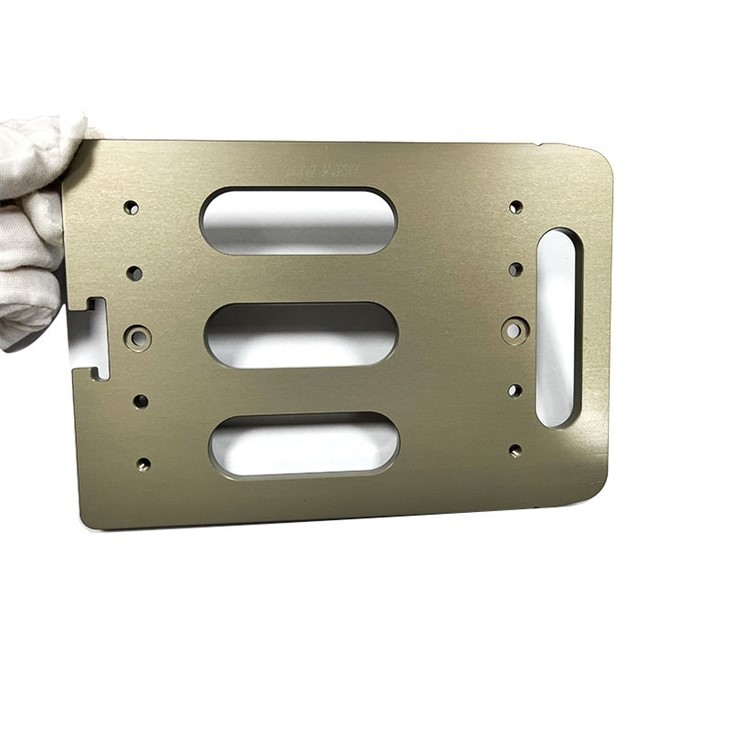
Feasibility of Cutting Internal Cavities
The short answer is yes, wire EDM can cut parts with internal cavities. One of the significant advantages of wire EDM is its ability to produce complex shapes, including those with internal features. Unlike traditional machining methods that may face limitations when it comes to accessing internal areas, wire EDM can navigate through small, intricate spaces with high precision.
The process begins with creating a small start hole in the workpiece near the area where the internal cavity will be cut. This start hole allows the wire to be threaded through the material, and from there, the wire can follow a pre - programmed path to cut the desired internal cavity. The CNC (Computer Numerical Control) system used in wire EDM machines ensures that the wire moves accurately along the specified path, resulting in precise and repeatable cuts.
The Process of Cutting Internal Cavities
- Design and Programming
The first step in cutting internal cavities using wire EDM is to design the part and create a CNC program. Advanced CAD (Computer - Aided Design) software is used to design the part, including the internal cavity. The CAD model is then imported into CAM (Computer - Aided Manufacturing) software, where the cutting path for the wire is generated. The CAM software takes into account factors such as the wire diameter, material properties, and the desired tolerance to create an optimized cutting program. - Workpiece Preparation
Once the program is ready, the workpiece needs to be prepared. This involves securing the workpiece firmly on the machine table and ensuring that it is properly aligned. A start hole is then drilled in the workpiece using a small - diameter drill bit. The location of the start hole is carefully chosen based on the cutting path of the wire. - Threading the Wire
After the start hole is drilled, the wire is threaded through the hole. Modern wire EDM machines are equipped with automatic wire - threading systems, which can quickly and accurately thread the wire through the start hole, reducing setup time and improving efficiency. - Cutting the Internal Cavity
With the wire threaded and the workpiece set up, the cutting process can begin. The CNC system controls the movement of the wire, guiding it along the pre - programmed path to cut the internal cavity. The machine continuously flushes a dielectric fluid over the cutting area to remove the debris generated by the electrical discharges and to cool the wire and the workpiece. This helps to maintain the cutting accuracy and prolong the life of the wire.
Considerations for Cutting Internal Cavities
- Wire Diameter
The choice of wire diameter is crucial when cutting internal cavities. A thinner wire can access smaller spaces and produce more precise cuts, but it may also be more prone to breakage. On the other hand, a thicker wire can handle higher cutting speeds but may have limitations when it comes to cutting small - sized internal features. It is essential to select the appropriate wire diameter based on the size and complexity of the internal cavity. - Material Properties
Different materials have different electrical conductivity and melting points, which can affect the wire EDM cutting process. For example, materials with high electrical conductivity, such as copper and aluminum, can be cut more efficiently than materials with low conductivity. Additionally, materials that are prone to cracking or distortion during the cutting process may require special considerations, such as using lower cutting speeds or applying pre - and post - heat treatments. - Tolerance Requirements
The tolerance requirements for the internal cavity also play a significant role in the cutting process. Tighter tolerances require more precise control of the wire movement and may necessitate slower cutting speeds. It is important to communicate the tolerance requirements clearly to the wire EDM operator or programmer to ensure that the final part meets the desired specifications. - Surface Finish
The surface finish of the internal cavity is another important consideration. Wire EDM can produce a relatively smooth surface finish, but factors such as the cutting speed, wire tension, and dielectric fluid can affect the quality of the surface. If a high - quality surface finish is required, additional finishing operations may be necessary.
Applications of Wire EDM for Internal Cavity Cutting
Wire EDM's ability to cut internal cavities makes it suitable for a wide range of applications across various industries.
- Tool and Die Making
In the tool and die making industry, wire EDM is commonly used to create complex internal features in molds, dies, and punches. For example, it can be used to cut internal cooling channels in injection molds, which help to improve the cooling efficiency and reduce the cycle time of the molding process. - Aerospace and Defense
The aerospace and defense industries often require parts with high - precision internal cavities. Wire EDM can be used to manufacture components such as turbine blades, fuel nozzles, and missile components, where the accuracy and quality of the internal features are critical for the performance of the parts. - Medical Device Manufacturing
In the medical device manufacturing industry, wire EDM is used to produce parts with intricate internal cavities, such as surgical instruments and implantable devices. The high precision and ability to work with a variety of materials make wire EDM an ideal choice for manufacturing these critical components.
Advantages of Using Wire EDM for Internal Cavity Cutting
- High Precision
Wire EDM can achieve extremely high levels of precision, with tolerances as tight as ±0.005 mm. This makes it suitable for applications where the accuracy of the internal cavity is crucial. - Complex Shapes
As mentioned earlier, wire EDM can produce complex shapes, including internal cavities with sharp corners and tight radii. This allows for the design and manufacture of parts that would be difficult or impossible to produce using traditional machining methods. - Minimal Material Distortion
Since wire EDM is a non - contact machining process, it produces minimal mechanical stress on the workpiece, resulting in less material distortion. This is particularly important when cutting parts with thin walls or delicate internal features.
Conclusion
In conclusion, wire EDM is a powerful and versatile machining process that can effectively cut parts with internal cavities. Its ability to produce complex shapes with high precision, combined with its minimal material distortion, makes it an ideal choice for a wide range of applications. Whether you are in the tool and die making, aerospace, defense, or medical device manufacturing industry, wire EDM can help you achieve the desired internal cavity features in your parts.
If you are interested in using wire EDM for your projects or have any questions about cutting parts with internal cavities, I encourage you to reach out to us. We have a team of experienced professionals who can provide you with more information and assist you in finding the best solutions for your specific needs. Contact us to start a discussion about your procurement requirements and explore how our wire EDM services can benefit your business.
References
- "Modern Machining Technology" by John A. Schey
- "Electrical Discharge Machining: Principles, Processes, and Applications" by Rajesh Kumar Singh